
How Can I Help My Teething Baby Sleep Better?

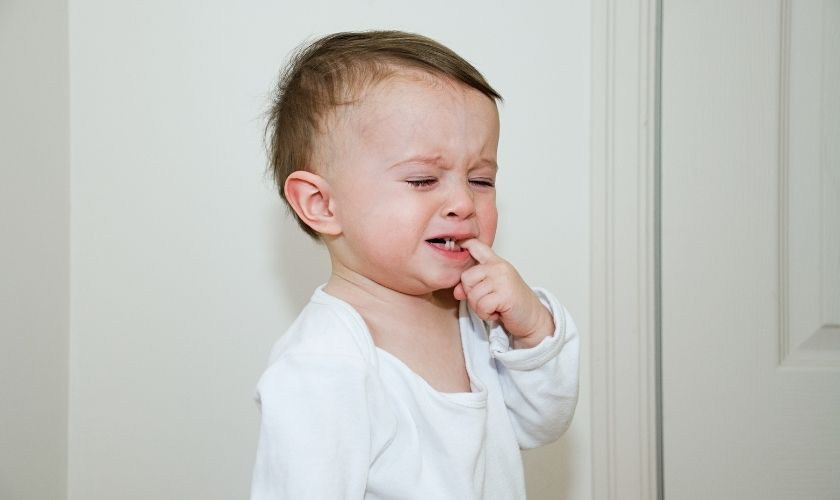


Teething is an important developmental milestone, but it can also be a challenging time for both babies and parents. Many infants experience discomfort, fussiness, and disrupted sleep as new teeth begin to emerge. If your little one is waking up more frequently or struggling to settle at bedtime, understanding how teething affects sleep can help you provide relief and comfort.
For families in Bakersfield, knowing how to soothe a teething baby can make nighttime routines much easier and help everyone get the rest they need.
Why Does Teething Affect Sleep?
When baby teeth start pushing through the gums, they can cause tenderness, swelling, and irritation. These symptoms are often more noticeable at night when there are fewer distractions, and your baby becomes more aware of the discomfort.
Common signs of teething include:
- Increased drooling
- Chewing on fingers or toys
- Swollen or sensitive gums
- Irritability and fussiness
- Changes in sleeping patterns
- Mild loss of appetite
While teething can contribute to sleep disturbances, severe symptoms such as high fever, vomiting, or diarrhea should be evaluated by a healthcare professional.
Tips to Help a Teething Baby Sleep Better
1. Offer a Chilled Teething Toy
A cool teething ring can help numb sore gums and reduce inflammation. Place the teether in the refrigerator – not the freezer – to provide safe, soothing relief before bedtime.
2. Gently Massage the Gums
Using a clean finger, gently rub your baby’s gums for a few minutes. The light pressure can help ease discomfort and relax your baby before sleep.
3. Maintain a Consistent Bedtime Routine
A predictable routine helps signal that it’s time for sleep. Consider including:
- A warm bath
- Gentle rocking
- Soft music
- Reading a bedtime story
- Quiet cuddling time
Consistency can help your baby feel secure and ready for rest.
4. Use a Cool Washcloth
A clean, damp washcloth chilled in the refrigerator can provide relief when your baby chews on it. Many babies enjoy the soothing sensation on sore gums.
5. Keep the Sleeping Environment Comfortable
A dark, quiet, and cool room promotes better sleep. White noise machines may also help minimize disruptions and create a calming atmosphere.
6. Offer Extra Comfort
Teething babies often seek additional reassurance. Gentle rocking, cuddling, or soothing words can help your child feel safe and comforted when discomfort increases at night.
7. Monitor Feeding Habits
Some babies may eat less during teething because their gums are sensitive. Ensure your baby remains hydrated and offer feedings as needed, especially if nighttime discomfort is affecting regular eating patterns.
What Not to Do During Teething
While parents naturally want to ease their baby’s discomfort, some remedies are not recommended.
Avoid:
- Frozen teethers that become too hard
- Teething necklaces or jewelry
- Homeopathic teething products without professional guidance
- Applying alcohol or unapproved substances to the gums
Always follow recommendations from pediatric and dental professionals when choosing teething relief methods.
When Should Your Baby Visit the Dentist?
Many parents are surprised to learn that dental care should begin early. The first dental visit is generally recommended by the child’s first birthday or within six months after the first tooth appears.
Early dental visits help:
- Monitor oral development
- Identify potential concerns early
- Establish healthy dental habits
- Educate parents about proper oral hygiene
At Sturz & Abby, families in Bakersfield can receive guidance on caring for growing smiles from infancy through childhood.
Caring for New Teeth
Once the first tooth appears, proper oral hygiene becomes essential.
Helpful tips include:
- Wiping gums with a soft, clean cloth daily
- Brushing teeth twice daily with a baby toothbrush
- Using a tiny smear of fluoride toothpaste as recommended
- Avoid putting babies to bed with bottles containing milk or juice
These simple habits can help protect your child’s oral health from the very beginning.
Helping Your Family Through the Teething Stage
Although teething can temporarily disrupt sleep, the phase is usually short-lived. By providing comfort, maintaining routines, and supporting healthy oral care habits, you can help your baby rest more comfortably throughout the process.
Parents looking for guidance on infant oral health can trust Sturz & Abby to support healthy smiles in Bakersfield. If you have questions about your child’s dental development or teething concerns, visiting a kid-friendly dental office can provide reassurance and expert care. When it’s time for professional dental guidance, book an appointment to ensure your child’s smile gets the best possible start.
Frequently Asked Questions
- How long does teething discomfort usually last?
Teething discomfort often comes and goes for several days as each tooth emerges. Most babies experience temporary symptoms that improve once the tooth breaks through the gum.
- Can teething cause my baby to wake up more often at night?
Yes. Gum tenderness and pressure can make it harder for babies to stay asleep, leading to more frequent nighttime awakenings during active teething periods.
- What is the best teething toy for nighttime relief?
Soft, chilled teething rings designed for infants are often effective. They provide gentle pressure and cooling relief that can soothe sore gums before bedtime.
- Is drooling a normal sign of teething?
Yes. Increased saliva production is one of the most common teething symptoms. Many babies drool more than usual as new teeth begin to develop.
- When should I start brushing my baby’s teeth?
Begin brushing as soon as the first tooth appears. Use a soft infant toothbrush and a small amount of toothpaste appropriate for your child’s age.
- Can teething cause a fever?
Teething may slightly raise body temperature, but significant fever is not typically caused by teething and should be discussed with a healthcare provider.
- When should my child have their first dental visit?
Most dental professionals recommend a first dental appointment by age one or within six months after the first tooth erupts.