
What Causes Crooked Teeth in Children?
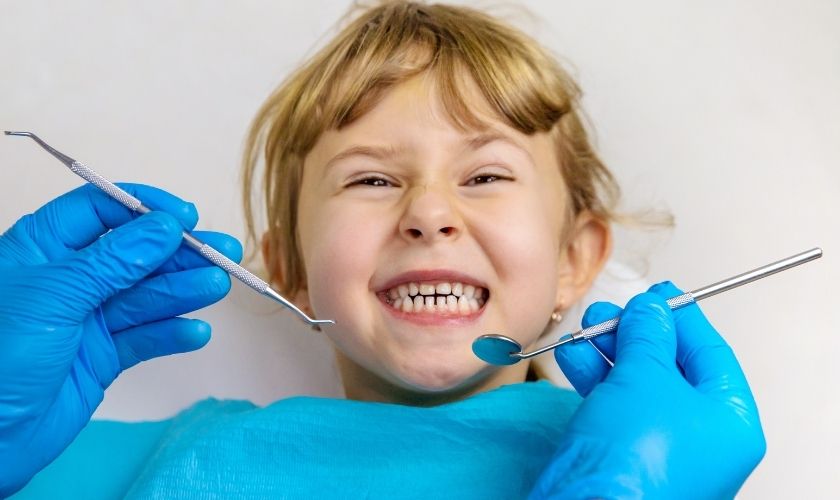


A child’s smile is constantly developing, and it is not uncommon for parents to notice teeth coming in unevenly or crowded. Crooked teeth in children can affect both appearance and oral health, making early understanding and intervention important. At Sturz & Abby Pediatric Dentistry, many families in Bakersfield seek guidance on why this happens and how it can be addressed.
Understanding Crooked Teeth in Children
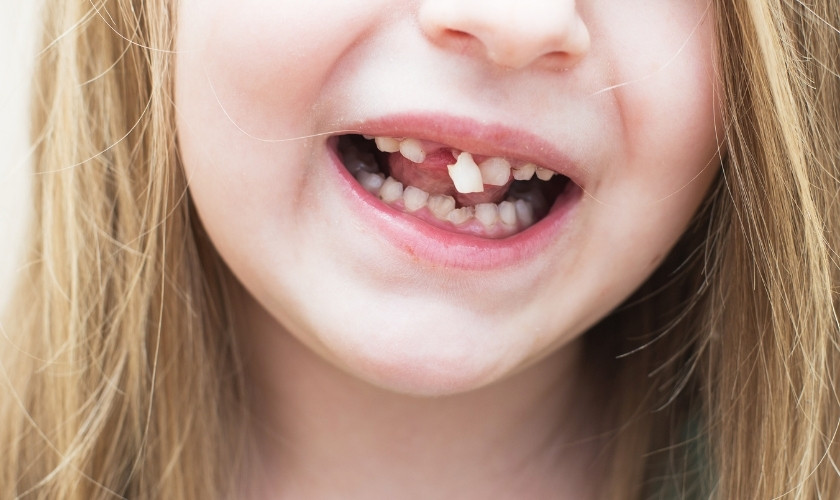
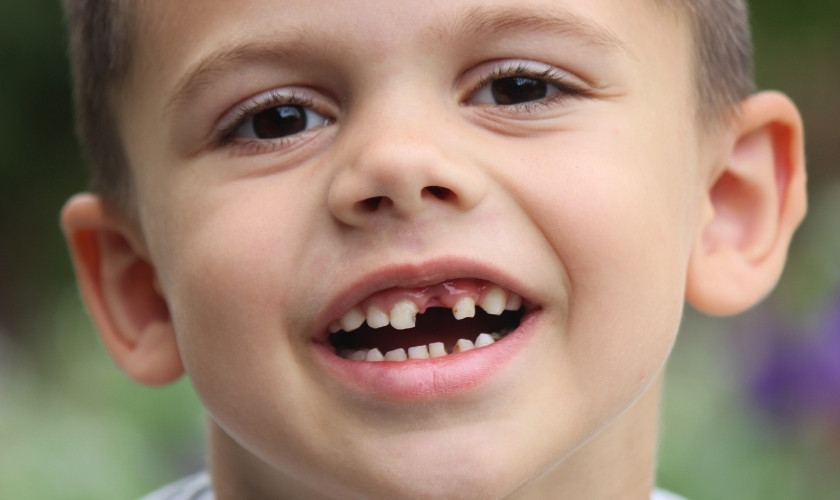
Crooked teeth, also known as malocclusion, occur when teeth are misaligned or do not fit together properly when the mouth is closed. This condition can develop early, even before all permanent teeth have erupted. While some cases are mild and self-correct over time, others require professional attention.
Common Causes of Crooked Teeth
Several factors contribute to misaligned teeth in children. Some are genetic, while others are influenced by habits or environmental conditions.
1. Genetics and Jaw Size
One of the most common causes is inherited traits. If parents have a history of crowded or misaligned teeth, their children are more likely to experience similar issues. A mismatch between jaw size and tooth size can lead to overcrowding.
2. Thumb Sucking and Pacifier Use
Prolonged thumb sucking or pacifier use beyond age three can put pressure on developing teeth and jaw structures. This often leads to an open bite or protruding front teeth.
3. Early Loss of Baby Teeth
Baby teeth act as placeholders for permanent teeth. If a child loses them too early due to decay or injury, neighboring teeth may shift into the empty space, blocking proper eruption.
4. Delayed Loss of Baby Teeth
On the other hand, if baby teeth remain in place too long, they can prevent permanent teeth from coming in correctly, leading to crowding or overlapping.
5. Mouth Breathing
Chronic mouth breathing, often caused by allergies or nasal blockages, can influence jaw development. It may lead to a longer facial structure and misaligned teeth over time.
6. Poor Oral Habits
Habits such as tongue thrusting (pushing the tongue against the teeth while swallowing) can gradually shift teeth out of alignment.
Why Early Detection Matters
Identifying alignment issues early allows for more effective and less invasive treatment. Pediatric dentists monitor growth patterns and can recommend interventions at the right time. In many cases, early orthodontic evaluation can guide jaw development and create space for permanent teeth.
Parents in Bakersfield often benefit from early dental visits where professionals assess not only cavities but also alignment and bite patterns. If concerns arise, a Bakersfield orthodontist may be recommended for further evaluation.
Signs Your Child May Have Crooked Teeth
Parents should watch for early indicators that may signal alignment issues:
- Teeth that appear crowded or overlapping
- Difficulty chewing or biting
- Mouth breathing or snoring
- Jaw shifting or clicking
- Prolonged thumb sucking habits
If any of these signs are noticed, it is wise to visit our dental office for a professional assessment.
Treatment Options for Crooked Teeth
Treatment depends on the severity and cause of the misalignment. Common options include:
- Space maintainers for early tooth loss
- Growth-modifying appliances
- Braces or clear aligners in the later stages
- Habit-breaking appliances
Each child’s treatment plan is unique, and early guidance can simplify future orthodontic care.
Preventing Crooked Teeth in Children
While not all causes are preventable, certain steps can reduce the risk:
- Encourage children to stop thumb sucking early
- Maintain regular dental checkups
- Promote good oral hygiene habits
- Address breathing issues with medical guidance
- Protect teeth from injury with mouthguards during sports
Regular monitoring ensures that any developing issues are caught early and managed effectively.
When to Seek Professional Help
The American Association of Orthodontists recommends an initial orthodontic evaluation by age seven. Even if no immediate treatment is needed, this allows dentists to track growth and plan ahead.
At Sturz & Abby Pediatric Dentistry, families in Bakersfield receive comprehensive evaluations designed to support healthy dental development from an early age. If you notice changes in your child’s bite or alignment, it may be time to book an appointment and explore the best path forward.
Frequently Asked Questions
1. What age do crooked teeth usually appear in children?
Crooked teeth often become noticeable when permanent teeth begin erupting, usually between ages 6 and 12. However, early signs may appear in toddler years due to habits or jaw development patterns.
2. Can crooked teeth fix themselves naturally?
Mild cases may improve as the jaw grows, but most alignment issues do not fully correct on their own. Monitoring by a dentist helps determine if intervention is needed.
3. Does thumb sucking always cause crooked teeth?
Not always, but prolonged thumb sucking beyond age three increases the risk of misalignment, especially affecting front teeth and bite development.
4. Are crooked teeth only a cosmetic issue?
No, crooked teeth can affect chewing, speech, and oral hygiene, increasing the risk of cavities and gum problems if not addressed early.
5. When should my child see an orthodontist?
Children should have their first orthodontic evaluation by age seven to detect early alignment issues and plan future treatment if necessary.
6. Can baby teeth alignment affect permanent teeth?
Yes, baby teeth guide permanent teeth into position. Problems with spacing or early loss can lead to misalignment in adult teeth.
7. Is mouth breathing linked to crooked teeth?
Yes, chronic mouth breathing can influence jaw growth and lead to misaligned teeth over time, especially if left untreated.