
Knocked-Out Tooth? What to Do in the First 30 Minutes

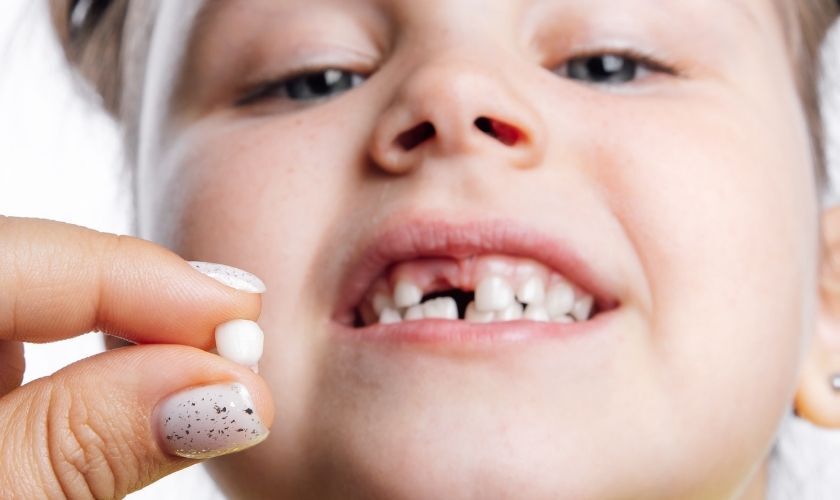


A knocked-out tooth is one of the most urgent dental emergencies a child can experience. Whether it happens during sports, playground activities, or an accidental fall, the first 30 minutes are critical. Acting quickly and correctly can significantly improve the chances of saving the tooth.
If your child experiences a dental injury, staying calm and following the right steps can make all the difference. Families looking for emergency dentistry in Bakersfield should know exactly what to do before reaching a dental professional.
Why the First 30 Minutes Matter
When a permanent tooth is completely knocked out, the tiny living cells attached to the root begin to dry out almost immediately. The sooner the tooth is replanted or preserved correctly, the better the chance your dentist has of successfully saving it.
For baby teeth, however, the approach is different. Parents should never attempt to place a knocked-out baby tooth back into the socket because it could damage the developing permanent tooth underneath.
Step 1: Stay Calm and Find the Tooth
Locate the tooth as quickly as possible. Pick it up by the crown – the white chewing surface – not by the root. Touching the root can damage delicate tissues needed for successful reattachment.
If the tooth is dirty, gently rinse it with clean water for only a few seconds. Avoid scrubbing, using soap, or drying the tooth with a towel.
Step 2: Determine Whether It’s a Baby Tooth or Permanent Tooth
Knowing the difference is important.
Baby Tooth
- Do not place it back into the socket.
- Control any bleeding with clean gauze.
- Contact your pediatric dentist immediately for evaluation.
Permanent Tooth
- If possible, gently place the tooth back into its socket.
- Ask your child to bite softly on clean gauze to keep it in position.
- Visit your dentist immediately.
Step 3: Store the Tooth Properly If It Can’t Be Replaced
If you cannot safely reinsert the tooth, keep it moist until you arrive at the dental office.
Good storage options include:
- Cold milk
- Saline solution
- A tooth preservation kit (if available)
- Inside the child’s cheek only if they are old enough not to swallow it
Never store a knocked-out tooth in plain water for an extended period, as this can reduce the chances of successful reattachment.
Step 4: Control Bleeding
Place clean gauze over the injured area and have your child bite down gently. If gauze isn’t available, a clean cloth may help.
Applying a cold compress to the outside of the face can reduce swelling and discomfort while travelling to your appointment.
Step 5: Get Immediate Dental Care
Time is the biggest factor in saving a permanent tooth. Ideally, treatment should begin within 30 minutes, although successful outcomes are sometimes possible beyond that window.
At Sturz & Abby Pediatric Dentistry and Orthodontics, children receive prompt evaluation and treatment designed specifically for young patients. Quick professional care helps reduce the risk of long-term complications.
What Not to Do
Avoid these common mistakes:
- Don’t touch the tooth root.
- Don’t scrub or disinfect the tooth.
- Don’t wrap it in tissue or let it dry out.
- Don’t delay seeking treatment.
- Don’t attempt to reinsert a baby tooth.
Signs Your Child Needs Immediate Attention
Even if the tooth hasn’t been completely knocked out, seek emergency care if your child has:
- Heavy or persistent bleeding
- Severe pain
- A loose permanent tooth
- Facial swelling
- Difficulty closing the mouth
- Multiple injured teeth
- Jaw pain after the accident
These injuries may require prompt treatment to prevent further complications.
Preventing Knocked-Out Teeth
Although accidents can’t always be prevented, you can lower the risk by:
- Using properly fitted sports mouthguards
- Wearing helmets during activities with fall risks
- Childproofing the home for toddlers
- Teaching safe playground habits
- Scheduling routine dental visits through pediatric dentistry in Bakersfield to monitor your child’s oral health
When Every Minute Counts
A knocked-out tooth is frightening, but quick action can greatly improve the outcome. Handle the tooth carefully, keep it moist, and seek professional treatment immediately. Acting within the first 30 minutes gives the best opportunity to save a permanent tooth and protect your child’s smile.
If your child experiences a dental emergency, check our reviews, visit our dental office, or call (661)588-2525 for prompt assistance. Sturz & Abby Pediatric Dentistry and Orthodontics proudly helps families throughout Bakersfield when urgent dental care is needed.
Frequently Asked Questions
1. Can a knocked-out permanent tooth be saved?
Yes. If the tooth is handled correctly and treated quickly, many permanent teeth can be successfully replanted. Fast action improves the likelihood of long-term success.
2. Should I put a baby tooth back into the socket?
No. Reinserting a baby tooth may harm the permanent tooth developing beneath the gums. A dentist should examine the injury and recommend the safest treatment.
3. How should I carry a knocked-out tooth?
Hold it by the crown and keep it moist in milk, saline solution, or a tooth preservation kit. Avoid letting the root dry out before reaching the dentist.
4. Is bleeding normal after a tooth is knocked out?
Some bleeding is expected after dental trauma. Gentle pressure with clean gauze usually helps control it while waiting for professional evaluation.
5. What if I can’t find the knocked-out tooth?
See a dentist promptly even if the tooth cannot be located. An examination helps identify other injuries and determine the best treatment plan.
6. Are mouthguards effective in preventing dental injuries?
Yes. Properly fitted mouthguards reduce the risk of knocked-out, chipped, and broken teeth during sports and many recreational activities.
7. Can a knocked-out tooth affect future dental development?
Yes. Dental trauma may influence surrounding teeth or jaw growth, especially in children. Regular follow-up appointments help monitor healing and development.