
Do Kids Really Need Mouthwash? Why Brushing Matters


Maintaining good oral hygiene during childhood helps protect developing teeth and establishes healthy habits that can last a lifetime. Parents often wonder whether adding mouthwash to their child’s daily routine is necessary or if brushing and flossing provide enough protection. Although mouthwash can offer certain benefits, it should never replace the basics of a consistent oral care routine.
For families in Bakersfield, CA, understanding how brushing, flossing, and mouthwash work together can make it easier to support children’s oral health. The right approach depends on a child’s age, ability to rinse safely, dietary habits, and individual risk of tooth decay.
Is Mouthwash Necessary for Children?
Mouthwash is not essential for every child. For many children, brushing twice daily with fluoride toothpaste and cleaning between the teeth regularly provide the foundation for maintaining healthy teeth and gums. Mouthwash may offer additional protection in certain situations, but its usefulness depends on the child’s needs.
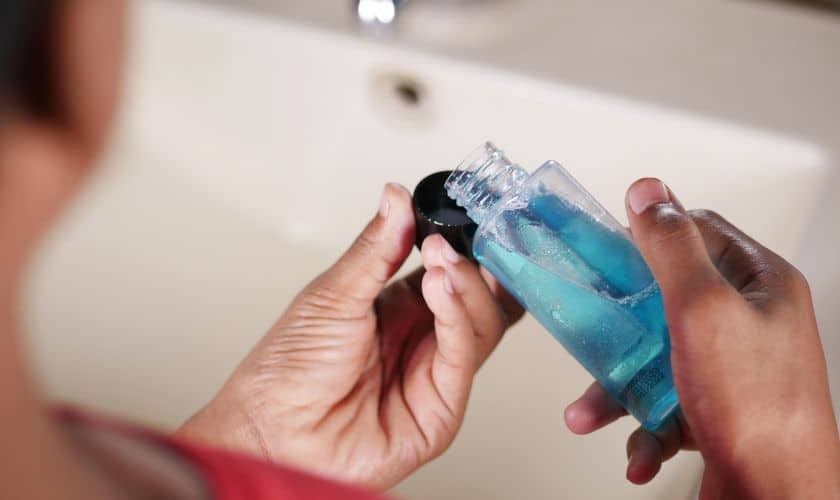
Some rinses help reduce bacteria, freshen breath, or strengthen tooth enamel. Fluoride mouthwash, for example, may help protect against cavities by making the enamel more resistant to acid attacks from plaque bacteria and sugary foods.
However, not every mouthwash provides the same benefits. Cosmetic rinses primarily freshen breath, while therapeutic products may contain ingredients designed to address specific oral health concerns.
Parents should choose products carefully and consult a qualified oral health professional before introducing mouthwash into a child’s routine. This is particularly important for younger children who may accidentally swallow the liquid instead of spitting it out.
Why Brushing Matters More Than Mouthwash
Brushing is one of the most important daily habits for protecting children’s teeth. Throughout the day, plaque forms on tooth surfaces as bacteria interact with food particles and sugars. When plaque remains on the teeth, it produces acids that gradually weaken enamel and contribute to cavities.
A toothbrush physically removes plaque from the surfaces of teeth and along the gumline. Fluoride toothpaste also helps strengthen enamel and supports the repair of early mineral loss.
Mouthwash can reach certain areas of the mouth, but it does not effectively remove the sticky plaque buildup that brushing and flossing target. Rinsing alone cannot provide the same cleaning benefits as using a toothbrush correctly.
Children should brush for two minutes, twice a day, using a soft-bristled toothbrush and an age-appropriate amount of fluoride toothpaste. Parents should supervise brushing until children have the coordination to clean their teeth thoroughly on their own.
Making brushing enjoyable can also improve consistency. Colorful toothbrushes, songs, timers, and brushing charts can encourage children to participate while learning the importance of daily oral care.
At What Age Can Children Use Mouthwash?
A child’s ability to rinse and spit reliably is more important than age alone when deciding whether mouthwash is appropriate. Many children develop this skill around age six, although readiness varies.
Young children should generally avoid mouthwash because they may swallow it accidentally. Swallowing excessive amounts of fluoride-containing products can cause stomach discomfort and, during tooth development, may contribute to dental fluorosis.
For children who can rinse and spit safely, a fluoride mouthwash may be recommended when additional cavity protection is needed. The appropriate product and frequency depend on the child’s oral health, existing fluoride exposure, and individual risk factors.
Parents should always follow product instructions and keep mouthwash out of children’s reach. Children should not use it unsupervised unless a responsible adult has determined that they can handle it safely.
If a child has frequent cavities, braces, dry mouth, or difficulty maintaining clean teeth, an oral health professional can help determine whether mouthwash would be a useful addition to the daily routine.
What Are the Benefits of Mouthwash for Kids?
When used appropriately, mouthwash can provide several benefits for children’s oral health.
1. Additional cavity protection: Fluoride rinses may strengthen enamel and reduce the risk of tooth decay in children who need extra protection.
2. Fresher breath: Certain rinses temporarily reduce unpleasant odors, although persistent bad breath may indicate plaque buildup, dry mouth, or another underlying concern.
3. Support for children with braces: Orthodontic appliances create additional spaces where food particles and plaque can collect. A suitable rinse may complement careful brushing and flossing.
4. Help with specific oral health concerns: Some therapeutic rinses are designed to address particular gum or bacterial concerns. These products should be used according to professional recommendations.
It is important to remember that mouthwash is an addition to good oral hygiene, not a shortcut. Children still need consistent brushing, flossing, balanced nutrition, and regular oral health checkups.
How to Build a Healthy Oral Care Routine
Establishing a simple, consistent routine helps children understand that caring for their teeth is part of everyday life.
Start by encouraging brushing in the morning and before bedtime. Use a smear of fluoride toothpaste about the size of a grain of rice for children younger than three. For children ages three through six, use a pea-sized amount and supervise brushing to minimize swallowing.
Introduce flossing when two teeth touch. Since toothbrush bristles cannot adequately clean every tight space between teeth, flossing helps remove plaque and trapped food from these areas.
Limit frequent sugary snacks and drinks, particularly between meals. Water is an excellent everyday beverage because it helps rinse away food particles without exposing teeth to additional sugars.
Regular checkups allow oral health professionals to monitor tooth development, identify early signs of decay, and recommend preventive measures suited to each child’s needs.
Families seeking guidance about age-appropriate oral hygiene can contact us to discuss their child’s brushing habits, cavity prevention needs, and whether a fluoride rinse may be beneficial.
Common Mouthwash Mistakes Parents Should Avoid
Even when mouthwash is appropriate, incorrect use can reduce its benefits or create unnecessary risks.
Avoid allowing children to use adult mouthwash without checking whether its ingredients and instructions are suitable for them. Some products contain alcohol or strong active ingredients that may not be appropriate for younger users.
Do not encourage children to swallow mouthwash or use more than the recommended amount. Parents should also avoid treating mouthwash as a substitute for brushing when children are tired or reluctant to complete their nighttime routine.
Another common mistake is choosing a rinse solely because it promises fresher breath. If a child experiences persistent bad breath, bleeding gums, or tooth sensitivity, the underlying cause should be evaluated rather than simply masked with a flavored rinse.
Children wearing braces may need additional cleaning tools or preventive products, but recommendations should be based on their individual oral health needs.
Supporting Healthy Smiles in Bakersfield, CA
Helping children develop healthy habits early can reduce their risk of cavities and make daily oral care easier as they grow. Brushing with fluoride toothpaste, flossing regularly, eating a balanced diet, and attending routine checkups remain the foundation of a healthy smile.
Mouthwash may be helpful for some children, but it is not a requirement for everyone. Parents should consider their child’s age, ability to spit safely, and individual oral health needs before introducing a rinse.
At Sturz & Abby Pediatric Dentistry and Orthodontics, families can learn more about preventive care and age-appropriate oral hygiene practices for growing smiles.
If you live in Bakersfield, CA, and have questions about your child’s brushing routine, fluoride use, or cavity prevention, visit our dental office for guidance tailored to your child’s needs. With the right habits and consistent support, children can build a strong foundation for lifelong oral health.
Frequently Asked Questions
- Do all children need mouthwash?
No, most children do not need mouthwash as part of their daily routine. Brushing twice daily with fluoride toothpaste and flossing regularly provide essential protection. A rinse may be recommended for specific oral health needs.
- What age can a child start using mouthwash?
Many children can learn to use mouthwash around age six, but readiness depends on their ability to rinse and spit without swallowing. Adult supervision and product instructions are important when introducing a rinse.
- Is brushing enough to prevent cavities in children?
Brushing twice daily with fluoride toothpaste significantly helps prevent cavities, but it works best alongside flossing, balanced nutrition, and regular checkups. No single habit completely eliminates the risk of tooth decay.
- Can children swallow mouthwash accidentally?
Yes, younger children may swallow mouthwash because they have not mastered rinsing and spitting. Excessive fluoride ingestion can be harmful, so supervise use and store all mouthwash products securely.
- Is fluoride mouthwash safe for kids?
Fluoride mouthwash can be appropriate for children who can spit reliably, particularly those at increased risk of cavities. A qualified oral health professional can help determine whether it is suitable for your child.
- Should children with braces use mouthwash?
Some children with braces may benefit from a recommended fluoride rinse because orthodontic appliances make cleaning more challenging. However, mouthwash should complement careful brushing and flossing rather than replace them.
- What is the best daily oral care routine for children?
Children should brush twice daily with an appropriate amount of fluoride toothpaste, floss between touching teeth, drink water regularly, and limit sugary snacks. Routine checkups help monitor development and prevent oral health problems.