
What Causes Children to Bite Their Cheeks or Tongue?
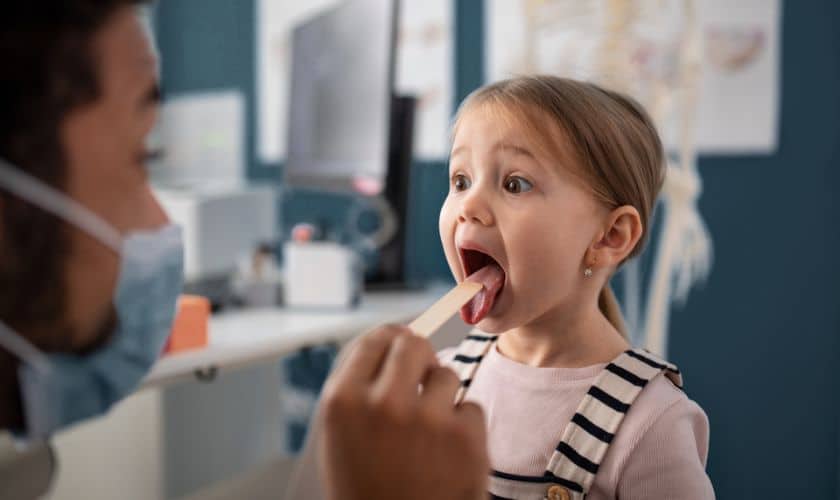


Children often bite the insides of their cheeks or their tongues while eating, talking, or playing. Although an occasional bite is usually harmless, repeated injuries can cause soreness, swelling, and difficulty eating. Parents may wonder whether these habits are related to growing teeth, an uneven bite, or a behavioral concern.
Understanding the reasons behind cheek and tongue biting can help families recognize when their children need professional attention. In Bakersfield, CA, learning about common causes and preventive measures can help parents support their children’s oral health and comfort.
Common Reasons Children Bite Their Cheeks or Tongue
Several factors can contribute to accidental cheek and tongue biting. Some are temporary and related to normal childhood development, while others may require an evaluation of the child’s teeth, bite, or oral habits.
1. Developing Teeth and Changes in the Mouth
As children grow, their mouths change. Baby teeth loosen, permanent teeth begin to emerge, and the positions of surrounding teeth may shift. These changes can temporarily affect how the upper and lower teeth meet.
During this adjustment period, children may accidentally catch their cheeks or tongues between their teeth. Newly erupted teeth can also change the way a child chews, making accidental bites more likely.
Occasional biting during these developmental stages is not necessarily a cause for concern. However, frequent injuries or persistent discomfort should be evaluated to determine whether a dental issue is contributing to the problem.
2. Misaligned Teeth or an Uneven Bite
When the upper and lower teeth do not fit together properly, chewing can become less coordinated. Crowded teeth, an uneven bite, or certain jaw alignment concerns may increase the likelihood of accidentally biting soft tissues inside the mouth.
Children with these concerns may experience repeated cheek biting in the same area or notice that their tongues get caught while eating.
An evaluation can help identify whether the alignment of the teeth contributes to the problem. Early assessment may also help determine whether monitoring, habit adjustments, or orthodontic care could be beneficial as the child grows.
3. Eating Too Quickly
Children who eat quickly, talk while chewing, or become distracted during meals may be more likely to bite their cheeks or tongues accidentally. When chewing movements become rushed, the tongue and inner cheeks may not move out of the way before the teeth close.
Encouraging children to take smaller bites, chew slowly, and avoid talking with food in their mouths can reduce the risk of injury.
Parents can also create a calmer mealtime environment by limiting distractions and reminding children to pay attention while eating.
4. Habitual Cheek or Tongue Biting
Some children repeatedly bite or chew their cheeks even when they are not eating. This behavior may become a habit during periods of boredom, concentration, stress, or nervousness.
For example, a child might chew the inside of the cheek while watching television, reading, or working on a challenging school assignment.
Repeated biting can irritate the affected tissue and create a cycle in which the child continues touching or biting a sore area. Gentle reminders and positive reinforcement can help children become more aware of the habit.
If the behavior persists, causes wounds, or appears connected to significant anxiety, parents should discuss their concerns with an appropriate healthcare professional.
5. Swelling After an Accidental Bite
An accidental bite can cause the inner cheek or tongue to swell. Once swollen, the tissue may sit closer to the teeth, increasing the chance of another bite in the same location.
This can make a minor injury uncomfortable for several days. Children may complain of pain while eating, drinking, or speaking.
For a minor injury, gently rinsing the mouth with cool water may help keep the area clean. A cold compress applied externally to the cheek can also help reduce swelling.
Avoid placing aspirin directly on the injured tissue or using medications without checking whether they are appropriate for the child’s age. Persistent swelling, worsening pain, or repeated injuries warrant professional evaluation.
6. Oral Development and Coordination
Children are still developing the coordination needed to manage chewing, swallowing, and speaking efficiently. Younger children, in particular, may occasionally move their tongues or cheeks into the path of their teeth.
These incidents may become less frequent as oral motor coordination improves. However, repeated biting accompanied by difficulty chewing, swallowing, or speaking deserves further assessment.
A healthcare professional can help determine whether the behavior is part of normal development or whether another concern should be investigated.
How Can Parents Help Prevent Cheek and Tongue Biting?
Parents can take several practical steps to help children reduce accidental injuries and develop healthier oral habits.
- Encourage slow eating: Remind children to take small bites, chew carefully, and avoid rushing through meals.
- Reduce mealtime distractions: Encourage children to focus on eating rather than talking, playing, or watching screens.
- Promote awareness: If a child bites their cheek habitually, gently point out the behavior without scolding or embarrassing them.
- Maintain regular oral care: Brushing twice daily with age-appropriate fluoride toothpaste and cleaning between teeth help support overall oral health.
- Watch for recurring injuries: Keep track of how often biting occurs, where it happens, and whether it is associated with meals or specific activities.
- Arrange an oral examination: Repeated injuries may indicate an alignment issue, a sharp tooth edge, or another concern that needs attention.
Avoid encouraging children to chew gum or other objects as a substitute for cheek biting, especially if they are young or have difficulty chewing safely.
When Should Parents Seek Professional Help?
An occasional cheek or tongue bite usually heals without complications. However, frequent injuries should not be ignored, particularly when they interfere with eating, drinking, sleeping, or speaking.
Parents should arrange an evaluation if their child repeatedly bites the same area, has persistent sores, experiences ongoing pain, or develops noticeable changes in how the teeth fit together.
Severe injuries require more immediate attention. Seek urgent medical care if a tongue injury causes heavy bleeding that does not stop with gentle, continuous pressure, a deep or gaping wound, or difficulty breathing or swallowing. Significant facial swelling or uncontrolled bleeding should also be treated urgently.
For children who need prompt assessment of an oral injury, emergency dentistry may be appropriate depending on the severity of the problem and the services available. Serious injuries affecting breathing or causing uncontrolled bleeding require emergency medical care.
Families in Bakersfield, CA, can also seek guidance when repeated cheek or tongue biting affects a child’s comfort or raises concerns about oral development.
Supporting Your Child’s Oral Health in Bakersfield, CA
Understanding the causes of cheek and tongue biting can help parents distinguish occasional accidents from recurring problems. Growing teeth, bite alignment, hurried eating, habitual behaviors, and swelling can all contribute to these injuries.
Most minor bites heal naturally, but repeated episodes may signal an issue that deserves attention. Monitoring symptoms and encouraging safer eating habits are useful first steps.
At Sturz & Abby Pediatric Dentistry and Orthodontics, families can seek guidance about children’s oral health concerns, developing teeth, and bite-related issues. An appropriate evaluation can help identify possible causes and determine whether further care is needed.
If your child frequently bites their cheeks or tongue, contact us to discuss the symptoms and possible next steps. Parents can also visit our dental office for an assessment when recurring injuries or concerns about tooth alignment need professional attention.
Helping children develop healthy oral habits early can support their comfort, confidence, and long-term oral health.
Frequently Asked Questions
- Why does my child keep biting the inside of their cheek?
Repeated cheek biting may result from misaligned teeth, changes during tooth eruption, eating too quickly, or an unconscious habit. Frequent injuries should be evaluated to identify the underlying cause.
- Is cheek biting normal when children lose baby teeth?
Occasional cheek biting can happen as baby teeth loosen and permanent teeth emerge. These changes may temporarily affect chewing, but repeated injuries or persistent discomfort deserve professional evaluation.
- Can stress cause children to bite their cheeks or tongues?
Yes. Some children bite their cheeks when they feel nervous, bored, or deeply focused. Gentle reminders and positive reinforcement can improve awareness, especially when the behavior becomes habitual.
- How long does a minor cheek or tongue bite take to heal?
Most minor mouth injuries begin improving within a few days and heal within one to two weeks. Persistent sores, increasing pain, swelling, or signs of infection require professional assessment.
- Can misaligned teeth cause repeated cheek biting?
Yes. Crowded teeth or an uneven bite can affect how the teeth meet during chewing, increasing the risk of trapping the cheeks or tongue. An oral examination can help identify contributing factors.
- What should I do immediately after my child bites their tongue?
Have your child rinse gently with cool water. Apply gentle, continuous pressure with clean gauze if bleeding occurs. Seek urgent care for deep wounds, uncontrolled bleeding, or difficulty breathing or swallowing.
- When should repeated cheek biting be checked?
Arrange an evaluation when biting happens frequently, causes recurring sores, interferes with meals, or accompanies changes in the bite. Also assess persistent pain or swelling rather than ignoring it.