
How to Handle Common Dental Injuries in Kids
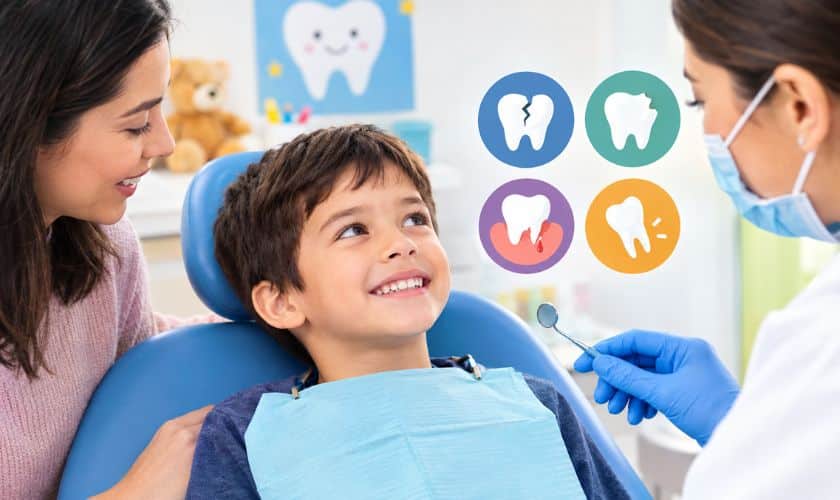


Children are naturally active, and falls, sports, playground accidents, and everyday mishaps can sometimes lead to dental injuries. A chipped tooth, bleeding gums, or a knocked-out tooth can be frightening for both children and parents. Knowing what to do immediately can help protect your child’s smile and reduce the risk of further complications.
For families in Bakersfield, understanding basic first-aid steps can make a stressful situation easier to manage. Dental injuries should always be assessed by a dental professional, particularly when a tooth has been displaced, fractured, or knocked out.
What to Do When a Tooth Is Chipped or Broken
A chipped or broken tooth is one of the more common injuries children experience. First, help your child rinse their mouth gently with clean water. A cold compress placed on the outside of the cheek can help with swelling and discomfort.
If you can find the broken piece of tooth, keep it clean and bring it to the dentist. The dentist can determine whether the tooth needs monitoring, repair, or additional treatment. Even a small chip may expose sensitive inner tooth structures, so professional evaluation is important.
Handling a Knocked-Out Baby Tooth
If a baby tooth is completely knocked out, do not try to put it back into the socket. Replanting a primary tooth may interfere with the developing permanent tooth underneath it.
Instead, gently clean your child’s mouth with water and use a cold compress if there is swelling. Contact a pediatric dental office promptly so the injury can be evaluated and your child can receive appropriate care.
What to Do About a Knocked-Out Permanent Tooth
A knocked-out permanent tooth requires immediate attention. Find the tooth and handle it carefully by the crown, avoiding the root. If it is dirty, gently rinse it with milk without scrubbing the root.
If possible, the tooth may be carefully placed back into its socket. If that cannot be done, keep the tooth moist in a container of cold milk and seek emergency dental care immediately. Quick action is particularly important because permanent tooth avulsion is considered a serious dental injury.
Managing Loose or Displaced Teeth
A tooth that becomes loose or appears pushed out of its normal position after an accident should be examined by a dentist. Avoid repeatedly touching or moving the tooth, and encourage your child to avoid biting hard foods around the injured area.
The dentist may need to check the tooth, surrounding tissues, and supporting structures. Children with dental trauma may also require follow-up appointments to monitor healing.
Cuts, Bleeding, and Soft-Tissue Injuries
Falls and sports accidents can injure the lips, cheeks, tongue, or gums along with the teeth. Have your child gently rinse the mouth with water. For bleeding, apply gentle pressure with clean gauze or a clean cloth.
A cold compress can help reduce swelling. If bleeding is heavy or does not stop, or if there is significant facial injury, seek urgent medical attention. Facial swelling, uncontrolled bleeding, severe pain, and oral trauma can require emergency evaluation.
When to Seek Kids Emergency Dentistry
Parents should seek urgent dental care when a permanent tooth is knocked out, a tooth is significantly displaced or fractured, there is severe dental pain, or an injury causes substantial swelling or bleeding. Dental trauma can sometimes affect structures that are not immediately visible, so an examination is important even when the injury initially appears minor.
Sturz & Abby Pediatric Dentistry provides pediatric dental care for families in Bakersfield. If your child experiences a dental injury, you can call (661)588-2525 for assistance.
Preventing Dental Injuries in Children
Although accidents cannot always be prevented, several simple precautions can lower the risk. Children participating in sports or activities involving falls, collisions, or contact with hard surfaces should wear an appropriate mouthguard. Parents can also encourage children not to run while carrying objects in their mouths and should supervise younger children during active play.
Regular dental visits allow a pediatric dentist to monitor developing teeth and identify concerns before they become more serious. Keep emergency dental information easily accessible at home so you know what steps to take if an accident occurs.
If you have questions about your child’s dental injury or want professional guidance after an accident, Contact Us to discuss the next appropriate step. Families can also visit our dental clinic for professional evaluation and pediatric dental care.
Frequently Asked Questions
- What should I do if my child chips a tooth?
Rinse the mouth gently with water and use a cold compress for swelling. If possible, save the broken piece and arrange a dental evaluation so the injury can be assessed properly.
- Should I put a knocked-out baby tooth back in?
No. A knocked-out baby tooth should not be replanted because doing so may damage the developing permanent tooth underneath. Contact a pediatric dentist promptly for guidance and evaluation.
- What should I do if a permanent tooth is knocked out?
Handle the tooth by the crown and avoid touching the root. If possible, place it back in the socket or keep it moist in cold milk while seeking immediate professional dental care.
- How can I reduce swelling after a dental injury?
Place a cold compress against the outside of your child’s cheek for short periods. Avoid placing ice directly on the skin, and have significant swelling or pain evaluated by a dental professional.
- Can a loose baby tooth after an accident heal on its own?
Some injured baby teeth can recover without extensive treatment, but a dentist should evaluate the injury. Follow-up may be recommended to monitor healing and the development of permanent teeth.
- When is a dental injury considered an emergency?
A knocked-out permanent tooth, severe pain, uncontrolled bleeding, major swelling, significant displacement, or a serious facial injury should receive prompt professional evaluation and appropriate emergency care.
- How can I prevent dental injuries during sports?
A properly fitted mouthguard can help protect teeth during sports and activities involving falls or collisions. Children should wear protective equipment consistently during practices and games.