

Foods & Drinks To Avoid If You Have Painful Mouth Ulcers




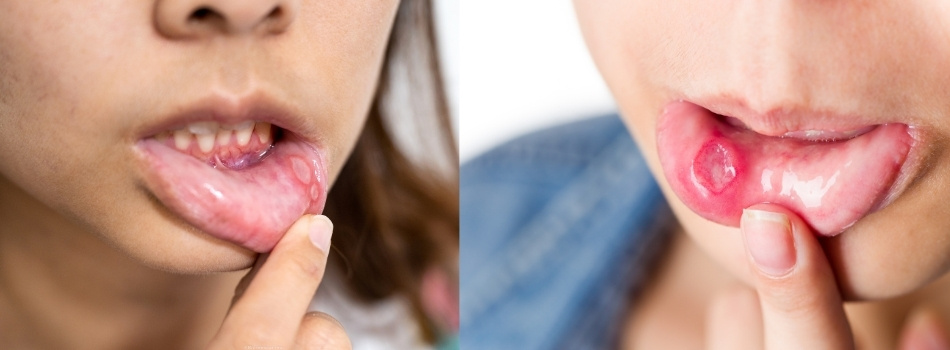
Mouth ulcers, also known as canker sores, can make everyday activities like eating, drinking, and even talking uncomfortable. While these small lesions inside the mouth usually heal on their own, what you eat and drink can either ease the pain or make it worse. Choosing the wrong foods often prolongs discomfort, delays healing, and may even trigger new ulcers.
Why Certain Foods Make Ulcers Worse
Mouth ulcers expose sensitive tissue inside the mouth. When acidic, spicy, salty, or abrasive foods come into contact with these open sores, they cause stinging, irritation, and inflammation. Some foods also slow down the healing process by promoting bacterial growth or increasing dryness. That’s why adjusting your diet during recovery is so important.
Foods to Avoid with Mouth Ulcers
1. Spicy Foods
Spices like chili powder, hot sauce, jalapeños, and curry irritate open sores. The heat intensifies pain and may lead to further inflammation. If you enjoy flavorful food, opt for mild herbs such as basil, parsley, or oregano instead.
2. Citrus Fruits and Juices
Oranges, lemons, limes, grapefruits, and their juices are highly acidic. This acid burns the ulcer site, making it more painful and slow to heal. Choose non-acidic fruits like bananas, apples, or pears for nutrition without the sting.
3. Tomatoes and Tomato-Based Foods
Pizza, pasta sauces, ketchup, and salsa are all rich in natural acids that can irritate ulcers. If you crave tomato dishes, reduce their acidity by cooking them longer or blending them with cream-based sauces.
4. Salty Snacks
Chips, salted nuts, pretzels, and pickles can feel like rubbing salt directly on the wound. Their rough texture also scrapes against ulcers, worsening discomfort.
5. Crunchy or Hard Foods
Toast, crusty bread, crackers, and raw vegetables like carrots or celery may scratch and aggravate sensitive areas. Stick to soft, easy-to-chew foods such as oatmeal, yogurt, or mashed potatoes.
6. Sugary Foods and Sweets
Candies, pastries, and sodas promote bacterial growth in the mouth. This can delay healing and increase the risk of infection in open ulcers.
7. Chocolate
Though a favorite comfort food, chocolate can trigger ulcers in some individuals due to its acidic content and caffeine. If you notice chocolate worsens your ulcers, it’s best to avoid it until you heal.
8. Vinegar and Pickled Foods
Vinegar-based foods such as pickles, salad dressings, and hot sauces are highly acidic and can cause intense pain.
Drinks to Avoid with Mouth Ulcers
1. Alcoholic Beverages
Beer, wine, and spirits dry out the mouth and irritate ulcer sites. Alcohol also slows the healing process and increases sensitivity.
2. Carbonated Drinks
Sodas, sparkling water, and energy drinks contain acids and bubbles that irritate sores. Their high sugar content also promotes bacterial activity.
3. Coffee and Tea
Both are acidic and contain caffeine, which can trigger dehydration and increase irritation. If you can’t skip them, switch to decaffeinated, lukewarm options instead.
4. Citrus Juices
Lemonade, orange juice, and grapefruit juice are among the most painful beverages to consume when you have mouth ulcers. Stick to water, smoothies made from non-acidic fruits, or coconut water.
How do you stop mouth ulcer pain fast?
To stop mouth ulcer pain fast, several effective methods can provide quick relief and soothe the discomfort:
1. Salt Water Rinse
Rinsing the mouth with warm salt water can reduce inflammation, promote healing, and clean the ulcer to prevent infection. Mix about a teaspoon of salt in a glass of warm water and rinse the mouth for 30 seconds, then spit it out. Repeat multiple times a day for best results.
2. Over-the-Counter Pain-Relieving Gels and Ointments
Topical gels or ointments containing numbing agents like benzocaine or hydrogen peroxide can be applied directly to ulcers to quickly dull the pain and protect the area from irritation. Common brands include Orajel and Bonjela.
3. Avoid Irritants
Avoiding spicy, acidic, salty, and hot foods and drinks that aggravate ulcers helps reduce pain. Drinking cool liquids and eating soft, bland foods also minimizes irritation to the sore.
4. Pain Relievers
Over-the-counter pain medications like ibuprofen can help manage inflammatory pain associated with mouth ulcers.
5. Home Remedies with Soothing Properties
Applying aloe vera gel or honey to the ulcer may reduce pain and inflammation while aiding healing. Baking soda paste can also neutralize acidity in the mouth and reduce discomfort.
6. Maintain Oral Hygiene
Using a soft toothbrush and alcohol-free mouthwashes, especially those with antiseptic properties like chlorhexidine, can promote healing and prevent secondary infections, which could worsen pain.
If mouth ulcers persist longer than three weeks, are unusually large, very painful, or frequently recur, consulting our dentist is advised for stronger treatments.
What drink is good for ulcers?
Plain Water
- The safest choice – keeps your mouth hydrated and helps flush away bacteria.
- Sip cool or room-temperature water instead of hot water to avoid irritation.
Coconut Water
- Naturally soothing and hydrating.
- Helps maintain electrolyte balance and reduces the burning sensation.
Cold Milk
- Coats the ulcer and provides a cooling effect.
- Rich in calcium and protein, which support healing.
Herbal Teas (Caffeine-Free)
- Chamomile tea has anti-inflammatory and soothing properties.
- Licorice root tea can reduce pain and speed up healing.
- Drink lukewarm or cold, not hot.
Aloe Vera Juice
- Known for its healing and anti-inflammatory properties.
- Helps soothe irritation and promote faster recovery.
Fruit Smoothies (Non-Acidic Fruits Only)
- Bananas, melons, papayas, and pears blended into smoothies are gentle on ulcers.
- Avoid citrus fruits like oranges, pineapples, or lemons, which burn and delay healing.
Best foods to eat during mouth ulcer healing
The best foods to eat during mouth ulcer healing are soft, bland, and non-irritating options that minimize pain and support recovery:
- Soft, non-acidic fruits like bananas, melons (watermelon, cantaloupe), and avocado which are easy to chew and gentle on ulcers.
- Cooked or steamed vegetables such as carrots, squash, and spinach, which are tender and nutritious without irritating sores.
- Dairy products, including plain yogurt, cottage cheese, and milk, offer soothing textures and beneficial nutrients.
- Soft protein sources like scrambled or boiled eggs, soft tofu, and chicken broth, important for healing without being tough to chew.
- Soft whole grains like oatmeal, soft-cooked rice, and whole grain bread without seeds or crusts that might scratch ulcers.
- Soups and smoothies that blend ingredients into easy-to-eat, nutrient-rich forms.
Final Thoughts
Mouth ulcers can be painful, but the right food choices make recovery quicker and more comfortable. By avoiding spicy, acidic, salty, crunchy, and sugary foods – as well as alcohol and caffeinated drinks – you give your mouth the best chance to heal. Pair these precautions with good oral hygiene and a balanced diet to prevent future outbreaks.
FAQs About Mouth Ulcers
1. What foods make mouth ulcers worse?
Spicy, acidic, salty, and crunchy foods typically make mouth ulcers more painful and can delay healing.
2. Can I drink coffee if I have a mouth ulcer?
It’s best to avoid coffee since its acidity and caffeine content can irritate the sore and prolong discomfort.
3. Are dairy products safe with mouth ulcers?
Yes, soft dairy products like yogurt and milk can soothe irritation and are safe to consume.
4. How long do mouth ulcers last?
Most mouth ulcers heal within 7–14 days, but avoiding irritating foods can help them heal faster.
5. Should I see a doctor for a mouth ulcer?
If your ulcer lasts more than three weeks, is unusually large, or comes back frequently, you should consult a dentist or doctor.