
What to Do If Your Child’s Baby Tooth Is Pushed Into the Gum After a Fall
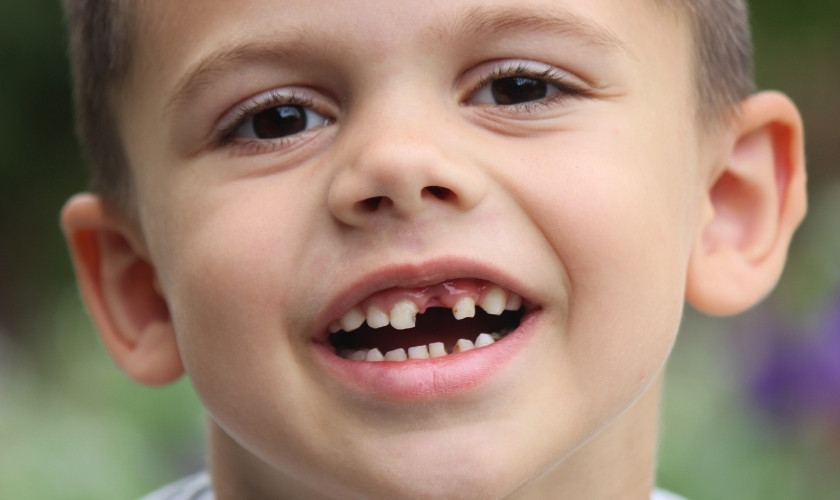


Falls and accidents are a normal part of childhood. Whether your child slips while running, falls off a bike, or bumps into furniture during playtime, dental injuries can happen unexpectedly. One alarming situation for parents is when a baby tooth appears to be pushed up into the gum after a fall. This type of injury is known as an “intruded tooth,” and it requires prompt attention to protect your child’s oral health.
Parents in Bakersfield often feel unsure about what steps to take immediately after this kind of accident. Understanding what to do can help reduce discomfort and prevent complications.
What Does It Mean When a Baby Tooth Is Pushed Into the Gum?
A baby tooth that gets forced upward into the gum is called a dental intrusion. Instead of falling out or becoming loose, the tooth is driven into the jawbone due to impact. This injury commonly affects toddlers and young children because their bones are softer and still developing.
An intruded baby tooth may look shorter than the surrounding teeth or may seem completely missing. In some cases, the tooth can damage nearby tissues or affect the developing permanent tooth underneath.
Common Signs of an Intruded Baby Tooth
After a fall, your child may show several symptoms that indicate the tooth has been pushed into the gum, including:
- Bleeding around the gums
- Swelling in the mouth or lips
- Pain or tenderness
- Difficulty biting or chewing
- A tooth that appears shorter or absent
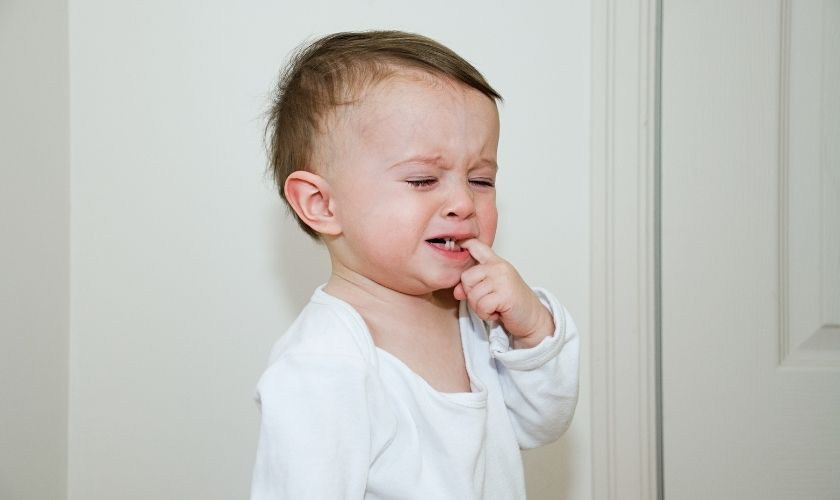
- Crying or irritability
If you notice any of these symptoms, it is important to stay calm and examine the area carefully.
Immediate Steps Parents Should Take
Stay Calm and Comfort Your Child
Children often become frightened after a fall, especially when there is blood involved. Comfort your child and reassure them while checking for injuries. Keeping them calm will make it easier to inspect their mouth.
Check for Additional Injuries
Look for cuts, swelling, or signs of head trauma. If your child loses consciousness, vomits, or appears dizzy, seek emergency medical care immediately.
Control Bleeding
Use a clean gauze pad or soft cloth to apply gentle pressure to the area if bleeding occurs. Most minor bleeding should stop within a few minutes.
Avoid Touching the Tooth
Do not attempt to pull the tooth back down or wiggle it. Trying to reposition the tooth yourself may cause further damage to the gums or the permanent tooth underneath.
Offer Cold Compresses
A cold compress placed on the outside of the cheek can help reduce swelling and discomfort. Soft, cool foods may also help your child feel more comfortable.
When to See a Dentist
A baby tooth pushed into the gum should always be evaluated by a dental professional. Even if your child seems fine afterward, hidden damage may exist beneath the surface.
A pediatric dental examination may include:
- Visual inspection
- Dental X-rays
- Monitoring the position of the tooth
- Evaluating nearby teeth and gums
In many cases, the tooth may gradually move back into place on its own. However, severe intrusion injuries may require removal if the tooth threatens the developing permanent tooth.
Families searching for an experienced orthodontist in Bakersfield should seek professional evaluation quickly after a dental injury.
Possible Treatment Options
Treatment depends on the severity of the injury and the position of the tooth.
Observation and Monitoring
For mild intrusion cases, dentists may simply monitor the tooth over time. Baby teeth often reposition naturally within several weeks or months.
Tooth Extraction
If the tooth is severely pushed into the gum or is causing complications, removal may be recommended. Extraction helps prevent infection and protects the permanent tooth bud.
Follow-Up Care
Regular follow-up visits help ensure proper healing. Dentists will monitor for:
- Infection
- Tooth discoloration
- Gum healing
- Damage to permanent teeth
At Sturz & Abby, children with dental trauma can receive careful evaluations and guidance to support healthy recovery.
Can an Intruded Baby Tooth Affect Permanent Teeth?
Yes, because baby teeth sit close to developing permanent teeth, trauma can sometimes affect future tooth growth. Possible complications include:
- Enamel defects
- Delayed eruption
- Tooth discoloration
- Crooked permanent teeth
This is one reason why prompt dental evaluation is important after any significant mouth injury.
Tips to Help Your Child Recover
Healing after a dental injury usually takes time. Parents can help by following a few simple care tips:
Serve Soft Foods
Offer foods like yogurt, applesauce, mashed potatoes, pasta, or smoothies for several days. Avoid crunchy or hard foods that may irritate the area.
Maintain Good Oral Hygiene
Keeping the mouth clean helps prevent infection. Gently brush your child’s teeth using a soft toothbrush while avoiding the injured area if it is sore.
Watch for Warning Signs
Call your dental provider if you notice:
- Fever
- Increased swelling
- Pus or drainage
- Persistent pain
- Bad breath
- Darkening of the injured tooth
These symptoms could indicate infection or nerve damage.
Preventing Dental Injuries in Children
While accidents cannot always be avoided, parents can lower the risk of dental trauma by:
- Using child safety gates at home
- Supervising playground activities
- Encouraging helmets during biking or sports
- Childproofing sharp furniture edges
- Using mouthguards during sports
Taking preventive measures can help protect growing smiles from serious injuries.
Why Prompt Dental Care Matters
Ignoring an impacted baby tooth may increase the risk of complications later. Quick evaluation allows dental professionals to identify hidden damage early and create the best treatment plan for your child.
If your child experiences a fall involving a tooth injury, visiting an orthodontist can help ensure proper healing and protect long-term oral development. Parents looking to book an appointment for a child’s dental injury should not delay professional care.
Sturz & Abby proudly helps Bakersfield families manage children’s dental emergencies with compassionate and attentive care designed for young patients.
Frequently Asked Questions
1. Can a baby tooth grow back down after being pushed into the gum?
Yes, mildly impacted baby teeth often move back into position naturally within a few weeks or months as the surrounding tissues heal.
2. Is a pushed-in baby tooth considered a dental emergency?
Yes, dental evaluation is important because intrusion injuries may affect nearby teeth, gums, or developing permanent teeth.
3. Should I try to pull the tooth back into place?
No, attempting to reposition the tooth may worsen the injury or damage the permanent tooth developing underneath.
4. What foods should my child eat after the injury?
Soft foods like yogurt, mashed potatoes, soup, smoothies, and applesauce are easier to eat while the mouth heals.
5. Can the injured baby tooth turn dark later?
Yes, some injured baby teeth may darken over time due to nerve damage or internal bleeding after trauma.
6. How long does healing usually take?
Healing varies by severity, but many mild intrusion injuries improve over several weeks with proper monitoring and care.
7. Will my child always need the tooth removed?
No, many intruded baby teeth heal without extraction. Treatment depends on the tooth’s position and surrounding damage.