
What to Do If Your Child’s Baby Tooth Is Pushed Into the Gum After a Fall?




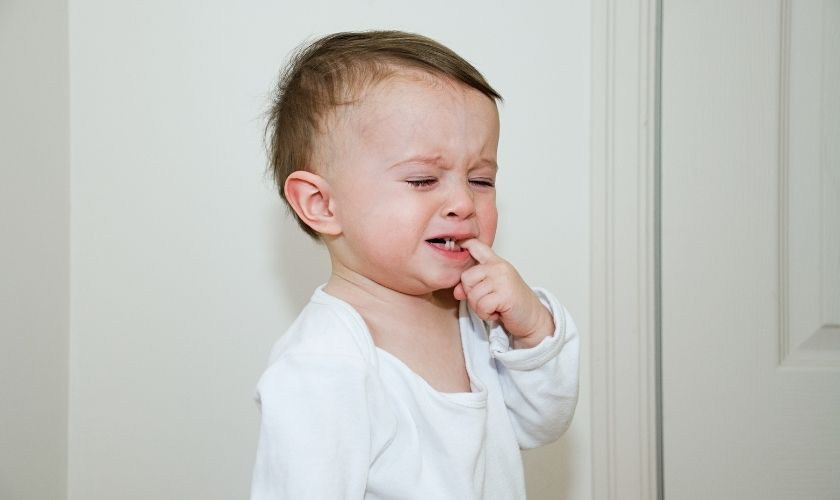
Falls and accidents are a normal part of childhood. Whether your child slips on the playground, falls off a bike, or bumps into furniture while playing, dental injuries can happen unexpectedly. One alarming injury for parents is when a baby tooth appears to be pushed up into the gum after a fall. This condition, known as tooth intrusion, requires prompt attention to protect your child’s oral health and ensure proper development of permanent teeth.
If your child experiences this type of injury in Bakersfield, understanding what to do next can help reduce complications and support a smoother recovery.
What Is an Intruded Baby Tooth?
An intruded tooth occurs when a strong impact forces a tooth deeper into the gum and jawbone. Instead of being knocked out or chipped, the tooth is pushed upward into the gum tissue, making it appear shorter or even completely hidden.
Baby teeth are more susceptible to intrusion because the surrounding bone is softer than that of adults. While the injury can look severe, many cases heal successfully when managed properly.
Signs That a Baby Tooth Has Been Pushed Into the Gum
After a fall, watch for these common symptoms:
- A tooth that appears shorter than neighboring teeth
- A tooth that seems partially or completely missing
- Bleeding around the gum line
- Swelling of the gums or lips
- Pain or tenderness when eating
- Difficulty biting down comfortably
- Crying or discomfort when the area is touched
Even if your child seems calm, an intruded tooth should always be evaluated by a dental professional.
Immediate Steps Parents Should Take
Stay Calm and Comfort Your Child
Children often become frightened after an injury. Remaining calm can help reduce their anxiety and allow you to assess the situation more effectively.
Check for Other Injuries
Look for cuts, facial swelling, head injuries, or signs of a concussion. If your child lost consciousness or shows symptoms such as dizziness or vomiting, seek emergency medical care immediately.
Control Any Bleeding
Use a clean piece of gauze or a soft cloth to apply gentle pressure to the area. Minor bleeding is common after dental trauma.
Avoid Touching the Tooth
Do not attempt to pull the tooth down or reposition it yourself. Moving the tooth could cause additional damage to the surrounding tissues and developing permanent tooth underneath.
Apply a Cold Compress
A cold compress placed on the outside of the cheek can help reduce swelling and discomfort.
Why Professional Evaluation Is Important
A dental examination helps determine:
- How deeply the tooth has been pushed into the gum
- Whether surrounding teeth were affected
- If the developing permanent tooth was injured
- Whether infection or other complications are likely
Dental X-rays may be needed to evaluate the position of the tooth and monitor healing.
At Sturz & Abby, children who experience dental trauma receive careful evaluations designed to support both immediate comfort and long-term oral health.
What Treatment May Be Needed?
The treatment depends on the severity and direction of the intrusion.
Observation and Monitoring
In many cases, baby teeth gradually move back into their normal position on their own over several weeks or months. Regular follow-up visits help ensure proper healing.
Soft Food Recommendations
Your child may need to eat soft foods for several days while the injured area recovers. Foods such as yogurt, applesauce, mashed potatoes, and smoothies are often easier to tolerate.
Oral Hygiene Guidance
Keeping the area clean helps prevent infection. Gentle brushing and any recommended rinses can support healing.
Tooth Removal
If the tooth is severely damaged, causing pain, or threatening the developing permanent tooth, extraction may be recommended. This decision is made based on clinical findings and X-ray results.
Potential Complications to Watch For
Although many intruded baby teeth heal well, parents should monitor for:
- Persistent pain
- Gum swelling
- Pus or drainage
- Tooth discoloration
- Fever
- Difficulty eating
These symptoms may indicate infection or damage requiring additional treatment.
How Long Does Recovery Take?
Recovery varies depending on the severity of the injury. Some baby teeth begin returning to their normal position within a few weeks, while others may take several months.
During this time, follow all dental recommendations and attend scheduled follow-up visits. Regular monitoring ensures that the injured tooth and underlying permanent tooth continue developing appropriately.
Preventing Future Dental Injuries
While accidents cannot always be avoided, these precautions can reduce risk:
- Use properly fitted helmets during biking and sports activities.
- Childproof sharp furniture edges.
- Supervise playground activities.
- Encourage safe play habits.
- Use mouthguards for contact sports.
Taking preventive measures can help protect your child’s smile while allowing them to stay active and confident.
When to Seek Immediate Dental Care
Contact a dental professional as soon as possible if:
- A tooth appears pushed into the gum
- Significant bleeding continues
- Your child experiences severe pain
- Multiple teeth are affected
- Swelling increases rapidly
Prompt evaluation helps identify the best treatment plan and minimizes potential complications.
If your child experiences a dental injury after a fall, seeking care from an experienced orthodontist in Bakersfield can provide peace of mind and appropriate guidance. A trusted kid-friendly dental office can assess the injury and recommend the most effective treatment. If you have concerns about your child’s dental trauma, book an appointment to ensure their smile receives the attention it deserves.
Frequently Asked Questions
- Is a baby tooth pushed into the gum considered an emergency?
Yes. While it may not always require emergency room care, prompt dental evaluation is important to assess damage and protect the developing permanent tooth.
- Can an intruded baby tooth come back down on its own?
Many intruded baby teeth gradually reposition themselves naturally over time. Regular monitoring helps ensure the tooth is healing correctly.
- Will the permanent tooth be damaged?
Not always. The risk depends on the severity and direction of the intrusion. Dental examinations and imaging help determine whether the permanent tooth is affected.
- How can I reduce my child’s discomfort after the injury?
Cold compresses, soft foods, and following professional care instructions can help minimize discomfort while the injured tissues heal.
- What foods should my child eat during recovery?
Soft foods such as yogurt, oatmeal, applesauce, mashed vegetables, and smoothies are generally easier to eat while the area remains sensitive.
- What happens if the injured baby tooth changes color?
A color change may indicate trauma to the tooth’s nerve. The tooth should be monitored by a dental professional to determine if treatment is necessary.
- How soon should my child be seen after a tooth intrusion?
Children should ideally be evaluated as soon as possible after the injury. Early assessment helps identify complications and supports better outcomes.