
Baby Teeth Arrival: What to Expect and When



As a parent, one of the most exciting milestones in your baby’s growth is when their first baby teeth start to emerge. But when exactly does this happen, and how can you tell if your little one is teething? Understanding the typical timeline for baby teeth development and recognizing the signs of teething will help you navigate this important phase of your child’s early years with confidence.
How Can I Tell If My Baby Is Teething?
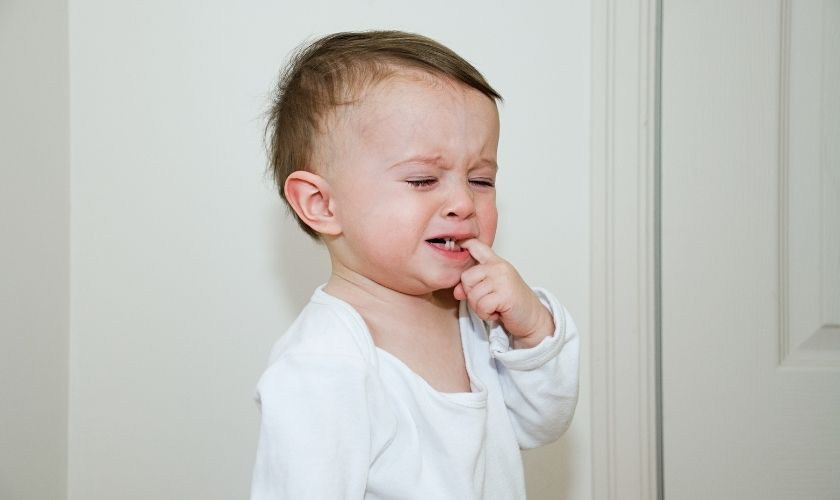
Teething is a natural part of your baby’s development, but it can sometimes be challenging for both you and your baby. So, how do you know if your little one is teething? Here are some common signs:
- Increased Drooling: Babies often drool more than usual when they are teething. The extra saliva helps lubricate their gums as the teeth begin to break through.
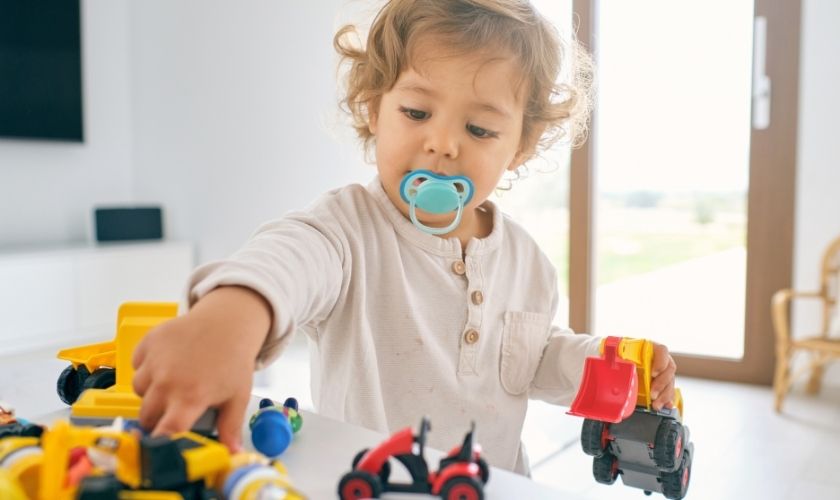
- Chewing on Objects: Babies love to chew on their toys, fingers, or anything they can get their hands on. This helps alleviate the pressure on their gums from the emerging teeth.
- Irritability and Fussiness: The discomfort from teething can make babies more fussy than usual. They may become more irritable and experience difficulty sleeping.
- Sore or Swollen Gums: When your baby’s gums become red, swollen, or sensitive, this is a strong sign that a tooth is close to coming through.
If you’re unsure about your baby’s teething symptoms or notice severe discomfort, it may be time to consult with an emergency dentist in Bakersfield for guidance and care.
When Do Baby Teeth Start Coming In?
Typically, baby teeth begin to emerge between the ages of 6 to 12 months. However, every baby is different, and the exact timing can vary. The first baby teeth that usually come in are the lower central incisors, followed by the upper central incisors. By the time your baby reaches their first birthday, they may have 4 to 8 teeth.
Here’s a general timeline of when baby teeth tend to appear:
- 6-10 months: Lower central incisors
- 8-12 months: Upper central incisors
- 9-13 months: Upper lateral incisors
- 10-16 months: Lower lateral incisors
- 13-19 months: First molars
- 16-23 months: Canines (cuspids)
- 23-31 months: Second molars
This timeline provides an average range, but some children may get their baby teeth earlier or later than the typical timeframe.
What Age Do Molars Come In?
Molars are larger teeth that help with chewing and grinding food. For most children, baby molars typically begin to appear between 13 and 19 months, and the second molars will come in between 23 and 31 months.
While these teeth may not be as visible as the incisors, they are crucial for your child’s ability to chew food properly. If your child is around these ages and begins to experience discomfort, it could be due to the molars coming in. The eruption of these back teeth can cause noticeable gum swelling and irritation, so make sure to provide relief as needed.
How to Care for Baby Teeth as They Come In
As baby teeth begin to appear, it’s essential to start caring for them early. Even though they will eventually fall out, these teeth play an important role in your child’s overall oral health. Here are a few tips on how to care for them:
- Clean Them Regularly: Once the first tooth appears, gently clean it with a soft baby toothbrush and water. Avoid using toothpaste until your child is old enough to spit it out (usually around 2-3 years old).
- Encourage Healthy Eating: Limit sugary foods and drinks, as they can lead to tooth decay. Offering water or milk as the primary drinks is ideal.
- Avoid Using a Bottle to Fall Asleep: Allowing your child to fall asleep with a bottle of milk or juice can contribute to tooth decay, so try to avoid this habit.
- Regular Checkups: As soon as your baby’s first tooth erupts, it’s a good idea to schedule an appointment with a Bakersfield dentist to ensure that everything is progressing well and to receive guidance on oral care.
When Should You Visit a Dentist for Baby Teeth?
It’s essential to establish a dental home for your child early. The American Dental Association recommends that children see a dentist by their first birthday or when their first tooth appears, whichever comes first. Early dental visits help identify any concerns early and establish a routine for caring for your child’s teeth.
Visiting a dentist will also allow you to ask questions about teething, oral hygiene, and any concerns you may have regarding your child’s tooth development.
Consult with Our Dental Team About Your Child’s Oral Health Needs
Watching your baby’s first teeth emerge is an exciting milestone. With proper care, you can ensure that your baby’s teeth stay healthy and contribute to their overall well-being. Remember to keep an eye out for common signs of teething and be proactive in establishing healthy oral hygiene habits from an early age.
If you have any concerns or need help with your child’s baby teeth, don’t hesitate to visit our dental office at Sturz and Abby. Our team is here to guide you through your child’s teething phase and provide optimal dental care for their growing smile.
Book an appointment with us today to ensure your child’s teeth are healthy and developing properly.
Frequently Asked Questions
1. At what age do babies get their first teeth?
Babies typically get their first teeth between 6 and 12 months of age. The lower central incisors are usually the first to emerge.
2. How can I soothe my baby’s teething pain?
You can soothe your baby’s teething pain by giving them a cold teething ring, gently massaging their gums with a clean finger, or offering a chilled washcloth to chew on.
3. When do baby molars come in?
Baby molars usually appear between 13 and 19 months, with the second molars following later, between 23 and 31 months.
4. Should I clean my baby’s teeth after they come in?
Yes, you should gently clean your baby’s teeth with a soft toothbrush and water. Fluoride toothpaste can be introduced around age 2-3.
5. How often should my baby visit the dentist?
The American Dental Association recommends that your baby visit the dentist by their first birthday or as soon as their first tooth appears.
6. How can I prevent tooth decay in my baby’s teeth?
Limit sugary foods and drinks, and avoid allowing your baby to fall asleep with a bottle. Regular brushing and dental visits are essential for prevention.
7. Can baby teeth affect adult teeth?
Yes, baby teeth serve as placeholders for adult teeth. Keeping them healthy ensures that adult teeth have the proper space to emerge when the time comes.