
Is Mouthwash Safe for Children? Expert Advice from Sturz and Abby in Bakersfield
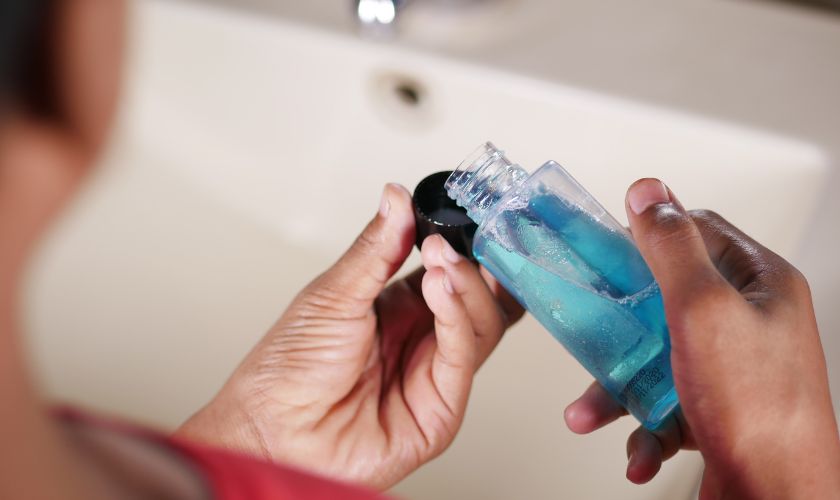


As parents in Bakersfield, we all want the best for our kids’ smiles. From brushing twice a day to flossing, oral hygiene starts early. For the right age, type, and supervision. At Sturz and Abby, your trusted Bakersfield dentists, we’ve helped countless families navigate this. Mouthwash can be a great addition to routines, but safety first. Let’s break it down.
Why Mouthwash Matters for Kids’ Oral Health
Children’s teeth are vulnerable. Plaque builds up fast, and bacteria can lead to cavities or gum issues. Mouthwash fights what brushing misses – up to 20% more plaque reduction when used right, per the American Dental Association (ADA).
For kids, it freshens breath, strengthens enamel with fluoride, and teaches hygiene habits. But not all mouthwashes are kid-friendly. Alcohol-based ones sting and dry the mouth, raising cavity risk. Opt for alcohol-free formulas designed for children.
In Bakersfield’s sunny climate, where kids play outdoors and snack often, extra protection helps. Sturz and Abby recommend starting mouthwash around age 6, once they can swish and spit reliably.
Age Guidelines: When Can Kids Start Using Mouthwash?
Safety hinges on age:
- Under 6 years: No mouthwash. Kids swallow instinctively, risking stomach upset or fluoride overdose. The ADA warns against it – stick to brushing with fluoride toothpaste pea-sized for toddlers.
- 6-12 years: Supervised use of children’s alcohol-free mouthwash. Dilute if needed. It delivers fluoride without swallowing risks.
- 12+ years: Adult versions okay under guidance, but check labels.
Fluoride mouthwash (0.05% sodium fluoride) is safe and effective for cavity prevention in school-age kids, studies show. Always supervise to ensure spitting.
Risks of Mouthwash for Children – And How to Avoid Them
Is mouthwash safe? Mostly yes, but pitfalls exist:
- Swallowing: The main issue for young kids. Ingesting large amounts causes nausea, vomiting, or fluoride toxicity (rare but serious – call poison control if over 5mg/kg body weight).
- Alcohol content: irritates young mouths and disrupts saliva. Choose “kids” or “alcohol-free.”
- Allergies/Staining: Rare, but check ingredients. Chlorhexidine (prescription) stains teeth temporarily.
- Overuse: Twice daily max. More dries the mouth.
Pro tip: Rinse for 30-60 seconds, spit fully. No eating/drinking for 30 minutes after.
At Sturz and Abby in Bakersfield, we see misuse often. Check our reviews on Google to hear how we’ve guided families safely.
Choosing the Best Mouthwash for Your Child
Look for:
- ADA Seal: Proven safety/efficacy.
- Alcohol-free: Gentle on enamel/gums.
- Fluoride: 100-220 ppm for kids.
- Kid flavors: Bubblegum or fruit to make it fun.
Top picks: ACT Kids Fluoride Rinse or Listerine Zero (alcohol-free). Avoid “whitening” or antiseptic-heavy products for under 12s.
Consult your Bakersfield kids dentist first – personalized advice beats guesswork.
Integrating Mouthwash into Your Child’s Routine
- Brush 2x daily with fluoride toothpaste.
- Floss nightly.
- Mouthwash after brushing (age 6+).
Make it a game: Timer for swishing, sticker rewards. Consistency builds lifelong habits.
Parents ask us: “What if my child hates the taste?” Start diluted, upgrade flavors gradually.
Benefits Backed by Science
Research shines:
- A 2022 Journal of Clinical Pediatric Dentistry study: Kids using fluoride mouthwash had 24% fewer cavities.
- CDC data: Fluoride rinses cut decay risk by 40% in high-cavity areas like Bakersfield schools.
It’s not a replacement for brushing – it’s a booster.
When to See a Dentist
Unsure about mouthwash? Or notice sensitivity, spots, or bad breath? Visit our dental office at Sturz and Abby. We’re at +1 661-588-2525 for questions.
Book an appointment today – early checkups prevent big issues.
Frequently Asked Questions (FAQs)
- At what age is mouthwash safe for kids?
Mouthwash is generally safe for children 6 and older who can spit without swallowing. Under 6, avoid it to prevent ingestion risks. Choose alcohol-free, fluoride versions and supervise use for best results.
- Can mouthwash replace brushing for children?
No, mouthwash doesn’t replace brushing or flossing—it’s a supplement. Brushing removes plaque mechanically; mouthwash kills bacteria and adds fluoride. Use it after brushing for full protection.
- What happens if a child swallows mouthwash?
Small amounts usually cause mild nausea. Large swallows may lead to vomiting or fluoride upset—call poison control (1-800-222-1222). Prevention: Supervise young kids and teach spitting early.
- Is fluoride mouthwash safe for daily use in kids?
Yes, for ages 6+ with 0.05% fluoride, twice daily. It strengthens enamel and prevents cavities, per ADA guidelines. Avoid overuse to prevent dry mouth; always opt for alcohol-free kids’ formulas.
- Does mouthwash stain kids’ teeth?
Rarely with standard kids’ rinses. Prescription chlorhexidine may cause temporary staining—rinse well and brush after. Choose clear, non-staining options like ACT Kids for worry-free use.
- What’s the best mouthwash flavor for picky kids?
Fun flavors like bubblegum, berry, or mint work best. Alcohol-free options from brands like Listerine Kids or Crest make swishing enjoyable, encouraging routine without battles. Test small amounts first.
- How often should children use mouthwash?
Twice daily after brushing, for 30-60 seconds, spitting fully. Don’t eat/drink for 30 minutes after. Overuse dries the mouth—in Bakersfield’s dry heat, hydration matters too.