
When Do Babies Start Teething? A Parent’s Complete Guide



As a new parent, few milestones spark as much excitement – and drool – as your baby’s first teeth. Teething is that magical (yet messy) phase when those tiny pearly whites begin to emerge, marking the start of your little one’s smile upgrade. But timing varies, and knowing what to expect can ease worries and prepare you for the road ahead.
Teething typically kicks off between 6 and 10 months of age for most babies. According to the American Dental Association, the lower central incisors – those two bottom front teeth – usually appear first. By age 3, children often have a full set of 20 primary teeth. However, some babies sprout their first tooth as early as 3 months, while others might not teethe until after their first birthday. Premature babies or those with certain health conditions may experience delays. If your baby hasn’t teething by 18 months, it’s wise to consult a pediatric dentist for a check-up.
Genetics plays a big role; if you or your partner teething late, your baby might follow suit. Track progress with a simple teething chart: lower incisors (6-10 months), upper incisors (8-12 months), first molars (13-19 months), canines (16-22 months), and second molars (23-33 months). Patience is key – every baby develops at their own pace.
Classic Teething Signs and Symptoms
Teething isn’t always subtle. Babies often show clear signals weeks before a tooth breaks through the gum. Common symptoms include:
- Excessive drooling: Your baby’s mouth turns into a faucet, soaking bibs and outfits.
- Irritability and fussiness: Discomfort from gum swelling leads to more crying, especially at night.
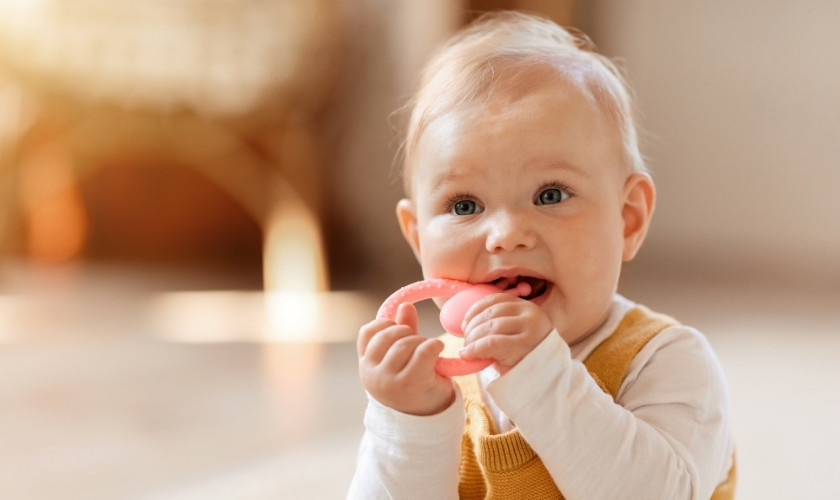
- Chewing on everything: Toys, fingers, even furniture become teething targets as babies seek relief.
- Red, swollen gums: Tender spots signal an incoming tooth.
- Mild fever (under 100.4°F): A low-grade temp is normal, but higher fevers warrant a doctor visit.
- Loose stools or mild rash: Drool irritation around the mouth or chin can cause this.
Not every fussy day means teething – ear infections or colds mimic symptoms. Drool rash? Gently wipe and apply a barrier cream. For pain, offer chilled (not frozen) teething rings or a clean, cold washcloth. Over-the-counter remedies like infant acetaminophen can help, but always check with your pediatrician first.
Avoid amber teething necklaces; they’re a choking and strangulation hazard, as warned by the FDA. Homemade remedies like whiskey rubs are myths with risks – no alcohol near babies!
Teething Timeline: What to Expect Month by Month
Understanding the sequence helps you stay ahead. Here’s a breakdown:
| Tooth Type | Typical Emergence Age | Notes |
|---|---|---|
| Lower Central Incisors | 6-10 months | First to appear; baby may poke tongue between them. |
| Upper Central Incisors | 8-12 months | Creates that gummy grin phase. |
| Lateral Incisors (upper/lower) | 9-13 months | Fills out the front smile. |
| First Molars | 13-19 months | Bigger teeth for chewing solids. |
| Canines | 16-22 months | Pointy “eye teeth” for tearing food. |
| Second Molars | 23-33 months | Last primary teeth; toddlerhood chewers. |
By age 2-3, your child’s mouth is set for preschool adventures. Girls often teethe slightly earlier than boys, but outliers are common.
Home Remedies and Safe Relief Strategies
Keep your baby comfy without overkill. Effective, dentist-approved tips:
- Gum massage: Rub gums gently with a clean finger or silicone teether.
- Cold comfort: Refrigerate teething toys or pacifiers for soothing numbness.
- Diet tweaks: Offer cold purees, yogurt, or frozen fruit mesh bags for edible relief.
- Distraction play: Sing songs or read books during peak fussiness.
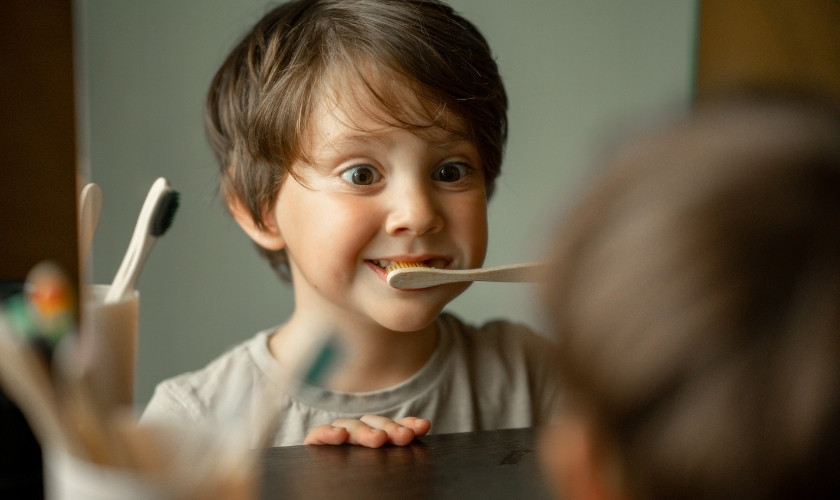
- Oral hygiene intro: Wipe gums with a soft cloth after feeds to build good habits.
Breastfeeding moms, keep nursing – teething won’t ruin latch, though tender gums might make babies bite lightly. Wean pacifiers gradually if chewing intensifies.
When to Seek Professional Help
Most teething is smooth sailing, but red flags demand attention:
- Fever over 100.4°F or lasting more than 24 hours.
- Diarrhea, vomiting, or rash beyond mild drool irritation.
- No teeth by 18 months or unusual delays.
- Gums that bleed excessively or teeth emerging crooked.
For urgent dental care in Bakersfield, trust experts who specialize in little smiles. At Sturz & Abby, we invite you to visit our pediatric dental treatment office – call (661)588-2525 or book an appointment today for personalized guidance.
Early dental visits (by age 1) prevent issues like cavities from bottle use. Pediatric dentists check alignment and coach on fluoride needs.
Long-Term Dental Health from Day One
Teething launches a lifetime of oral care. Even toothless gums benefit from soft brushing post-meals. Introduce a rice-grain-sized fluoride toothpaste smear at first tooth. Limit sugars, especially bedtime bottles, to dodge baby bottle tooth decay.
Nighttime nursing? Wipe gums after. By age 2-3, kids should spit (not swallow) paste. Schedule check-ups every 6 months – prevention beats fixes.
Teething builds resilience in you both. Celebrate those first chompers with photos and cheers. Your baby’s grin is worth every drooly night.
Frequently Asked Questions
1. Can teething cause a high fever or severe diarrhea?
No, high fevers (>100.4°F) or heavy diarrhea signal illness, not teething. See a doctor promptly.
2. Is it normal for teething to stop and start?
Yes, gums can swell for weeks before a tooth erupts, then pause. It’s frustrating but typical.
3. What foods soothe teething babies?
Cold applesauce, mashed avocado, or chilled cucumber sticks work wonders—supervised, of course.
4. Do teething tablets or gels work safely?
Many contain benzocaine, linked to risks like methemoglobinemia. Skip them; stick to mechanical relief.
5. When should my baby see a dentist for the first time?
By their first birthday or first tooth—whichever comes first—for a baseline exam.
6. How can I tell teething pain from an ear infection?
Teething causes gum-focused fussiness and drooling; ear infections often include tugging at ears, higher fever, and pulling away from bottles. Consult a pediatrician if unsure.
7. Will teething affect my baby’s sleep or eating habits long-term?
Temporarily, yes—nights may disrupt, and solids might pause—but most babies rebound quickly. Consistent routines help; persistent issues merit a dental check.