
How Diet Affects Your Child’s Oral Health
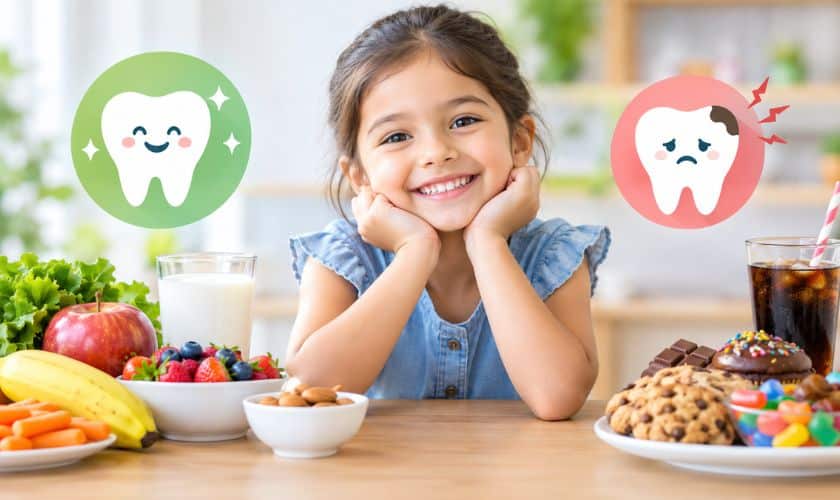


A child’s diet plays an important role in keeping their teeth and gums healthy. While brushing and regular dental visits are essential, the foods and drinks children consume each day can also affect their risk of cavities and other oral health problems. Developing healthy eating habits early can help children maintain stronger teeth as they grow.
For families in Bakersfield, understanding the connection between nutrition and oral health can make it easier to build simple, tooth-friendly habits at home.
How Food Affects Children’s Teeth
Every time a child eats or drinks, bacteria in the mouth can interact with sugars and carbohydrates to produce acids. Frequent exposure to these acids can weaken tooth enamel and increase the risk of cavities. Foods and drinks containing added sugars are especially important to monitor.
The American Academy of Pediatric Dentistry recommends limiting added sugars and encouraging nutrient-dense foods as part of a healthy diet for children. It also identifies fluoridated water as the preferred source of hydration for children and adolescents.
The frequency of sugary foods can matter as well. Regularly sipping sweet drinks or eating sugary snacks throughout the day can give teeth repeated exposure to cavity-causing acids.
Limit Sugary Drinks
Soda, fruit drinks, sports drinks, energy drinks, sweetened water, and flavored milk can contain significant amounts of added sugar. The CDC notes that frequent consumption of sugar-sweetened beverages is associated with tooth decay and cavities.
Instead of offering sugary drinks throughout the day, parents can encourage water or plain milk when appropriate for the child’s age and dietary needs. For younger children, avoiding drinks with added sugars is particularly important.
Water can also help rinse away food particles and is a simple choice between meals.
Choose Tooth-Friendly Snacks
Snacking is a normal part of childhood, but the type of snack matters. Instead of frequently offering sweets, cookies, sticky candies, or sugary packaged foods, consider options such as:
- Fresh fruits and vegetables
- Plain yogurt
- Cheese
- Eggs
- Nuts when age-appropriate and safe
- Whole-grain foods with little or no added sugar
The AAPD supports unsweetened, nutrient-dense snacks that contribute to children’s nutritional needs.
Whole fruits can also be a better choice than fruit drinks because they provide nutrients and fiber without the same concentration of added sugars found in many sweetened beverages.
Why Eating Habits Matter
It is not only what children eat but also how often they consume sugary foods and drinks. Frequent exposure can give oral bacteria repeated opportunities to produce acids that affect enamel.
A 2025 CDC study involving more than 23,000 children ages 1 to 5 found that sugar-sweetened beverage consumption was associated with higher odds of caregiver-reported cavities. The study observed a stronger association among children who consumed these beverages more frequently.
This does not mean children must avoid every sweet food. Instead, parents can focus on balanced meals, sensible snacks, fewer sugary drinks, and consistent oral hygiene.
Build Healthy Oral Health Habits
A healthy diet works best alongside good daily dental care. Children should brush their teeth twice a day with fluoride toothpaste appropriate for their age. Parents may need to help younger children brush effectively until they develop the skills to do it independently.
Regular dental visits are also important. The CDC recommends that children see a dentist by their first birthday, while the AAPD recommends establishing a dental home within six months of the first tooth erupting and no later than 12 months of age.
Families in Bakersfield can also discuss their child’s eating habits with a pediatric dental professional. Dietary patterns, oral hygiene, fluoride exposure, and individual cavity risk can all be considered when developing an appropriate preventive care routine.
Supporting Your Child’s Smile
Healthy nutrition is about more than avoiding candy. Children need a balanced diet that supports growth while also reducing unnecessary exposure to added sugars. Simple choices – such as offering water, choosing nutritious snacks, and limiting frequent sugary foods – can become lasting habits.
Sturz & Abby Pediatric Dentistry provides pediatric dental care for children and families in Bakersfield, with a focus on creating a comfortable dental experience for young patients.
Parents who have questions about their child’s diet, teeth, or cavity risk can Contact Us to discuss their concerns. You can also visit our dental clinic for age-appropriate guidance and preventive dental care.
Frequently Asked Questions
- Can too much sugar cause cavities in children?
Yes. Oral bacteria use sugars to produce acids that can damage tooth enamel. Frequent exposure to sugary foods and drinks can increase a child’s risk of developing cavities.
- What should children drink to protect their teeth?
Water is generally the preferred drink for children, especially between meals. Plain milk can also be appropriate depending on age and dietary needs, while sugary beverages should be limited.
- Are fruit juices healthy for children’s teeth?
Fruit juice can contain naturally occurring sugars and may contribute to tooth decay when consumed frequently. Whole fruit is generally a better option because it provides fiber and nutrients.
- What are some healthy snacks for children?
Fresh fruits, vegetables, cheese, plain yogurt, eggs, and suitable whole-grain foods can be good choices. Select snacks based on the child’s age, nutritional needs, and ability to eat them safely.
- How often should children brush their teeth?
Children should generally brush twice each day with fluoride toothpaste appropriate for their age. Younger children may need supervision or assistance from a parent to brush thoroughly.
- Does diet affect baby teeth?
Yes. Baby teeth are susceptible to cavities, and poor oral health can cause pain and difficulty eating. Healthy nutrition and proper dental care help protect baby teeth while permanent teeth develop.
- When should a child first visit a dentist?
The CDC recommends a child’s first dental visit by their first birthday. The AAPD recommends establishing a dental home within six months of the first tooth erupting and no later than 12 months.