
Get Rid of Stains on Kids’ Teeth



Seeing stains or unusual discoloration on a child’s teeth can make parents wonder whether something is wrong. Tooth stains in children can develop for several reasons, ranging from food and drinks to plaque buildup or changes inside the tooth. While some stains are harmless, others may indicate a dental concern that needs professional attention.
Understanding the cause is the first step toward helping your child maintain a cleaner, healthier-looking smile.
What Causes Stains on Kids’ Teeth?
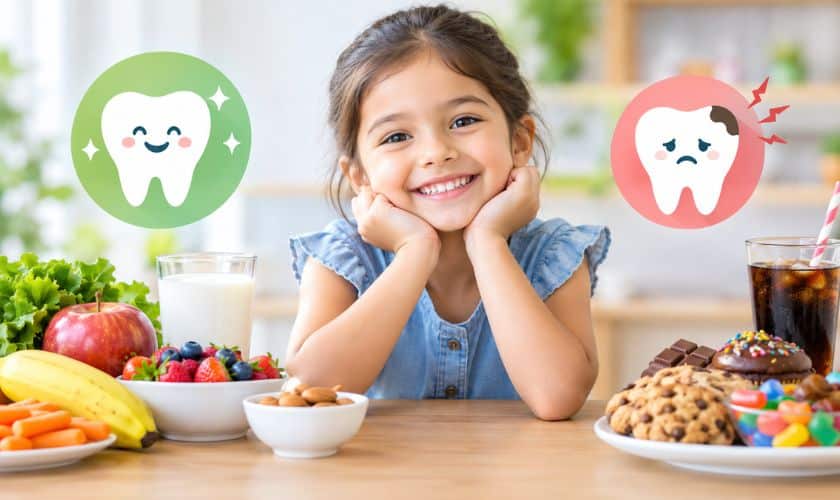
Children can develop different types of tooth discoloration. Yellow or brown stains may occur when plaque remains on the teeth for too long. Certain foods and drinks can also contribute to surface staining. Dark-colored beverages, sauces, berries, and some snacks may leave pigments behind.
Poor brushing habits can make these stains more noticeable. Children may rush through brushing, miss certain areas, or have difficulty cleaning around the back teeth. When plaque accumulates, it can make teeth look dull or yellow.
Some stains may not come from the surface at all. White spots can sometimes be associated with changes in enamel development or early tooth decay. A single dark or gray tooth may also have experienced an injury. Because different types of discoloration have different causes, identifying the reason is important before attempting treatment.
How Can Parents Help Remove Surface Stains?
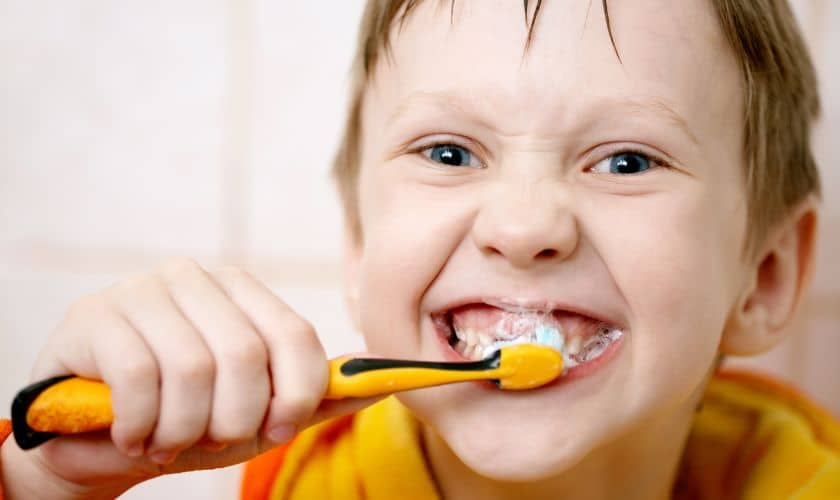
Good daily oral hygiene is one of the simplest ways to reduce surface stains. Children should brush their teeth twice a day using a soft-bristled toothbrush and fluoride toothpaste appropriate for their age. Parents can help younger children brush thoroughly and supervise older children when necessary.
Flossing is also important because food particles and plaque can collect between teeth where a toothbrush cannot reach. Establishing consistent brushing and flossing habits can help prevent new stains from developing.
A balanced diet can support cleaner-looking teeth as well. Encourage children to drink plenty of water and limit frequent sugary snacks and drinks. After foods that may cause staining, drinking water can help rinse away some residue.
When Should a Child See a Dentist?
Not every stain can be removed through brushing. If discoloration remains despite good oral hygiene, a dental professional can examine the teeth and determine what is causing it. Professional cleaning may help remove plaque and certain types of surface staining.
Parents should pay particular attention to white, brown, black, or gray spots that appear suddenly or change over time. Sensitivity, toothache, bad breath, swelling, or discomfort while eating can also indicate a dental problem.
Children should not use adult whitening products without professional guidance. Whitening treatments may not be appropriate for developing teeth, and abrasive home remedies can potentially damage enamel. A dental professional can recommend an age-appropriate approach based on the child’s needs.
Preventing Future Tooth Stains
Prevention starts with a consistent oral-care routine. Make brushing enjoyable by allowing children to choose a toothbrush they like or by using a brushing timer. Parents should encourage children to brush for about two minutes and clean all tooth surfaces.
Regular dental visits can also help identify plaque buildup, enamel changes, and early signs of decay before they become more serious. At Sturz & Abby, parents can discuss concerns about their child’s tooth discoloration and learn more about maintaining healthy oral habits.
If you are unsure whether a stain is simply on the surface or related to the tooth itself, Contact Us to discuss your concerns and determine whether an examination may be appropriate.
Why Professional Evaluation Matters
A dental examination can help distinguish ordinary surface staining from discoloration caused by decay, enamel defects, medication exposure, trauma, or other factors. Treating the underlying cause is generally more important than simply trying to make the tooth look whiter.
Parents can also ask about brushing techniques, fluoride use, diet, and other preventive measures during a child’s dental visit. Visiting a dental professional regularly gives children an opportunity to develop positive oral-health habits from an early age.
For children with persistent discoloration or unusual spots, visit our dental office for an evaluation so the cause can be identified and an appropriate recommendation can be made.
Frequently Asked Questions
- Can brushing remove stains from children’s teeth?
Brushing can remove plaque and some surface stains caused by food and drinks. However, stains caused by enamel changes, decay, trauma, or internal discoloration usually require professional evaluation.
- Are yellow teeth normal in children?
A slight yellow appearance can sometimes be normal, especially when permanent teeth begin appearing. Persistent or noticeable discoloration, however, should be examined to determine whether an underlying issue is present.
- Can children use teeth-whitening products?
Children should not use whitening products unless recommended by a dental professional. Developing teeth may respond differently to whitening treatments, and inappropriate products may irritate tissues or affect enamel.
- Why does my child have white spots on their teeth?
White spots can have several causes, including enamel development changes, fluoride-related conditions, or early tooth decay. A dental examination can help determine why the spots appeared and whether treatment is needed.
- Can certain foods cause tooth stains in children?
Yes. Foods and drinks containing strong pigments, such as berries, tomato-based sauces, and dark beverages, can contribute to surface staining. Rinsing with water afterward can help reduce residue.
- How can I prevent stains from developing?
Encourage twice-daily brushing with fluoride toothpaste, daily flossing, regular water consumption, and balanced eating habits. Routine dental visits can also help manage plaque and identify problems early.
- When should tooth discoloration be checked?
Persistent, worsening, or unusual discoloration should be evaluated, particularly when accompanied by pain, sensitivity, swelling, bad breath, or changes in the tooth’s shape or surface.