
Understanding Chipped Teeth in Toddlers: A Guide for Parents



Toddlers are naturally curious and energetic, which often means slips, falls, and bumps are part of growing up. While many minor accidents heal with time, a chipped tooth can leave parents wondering whether immediate dental care is necessary. Knowing how to respond quickly can help protect your child’s smile and prevent future dental complications.
Why Do Toddlers Chip Their Teeth?
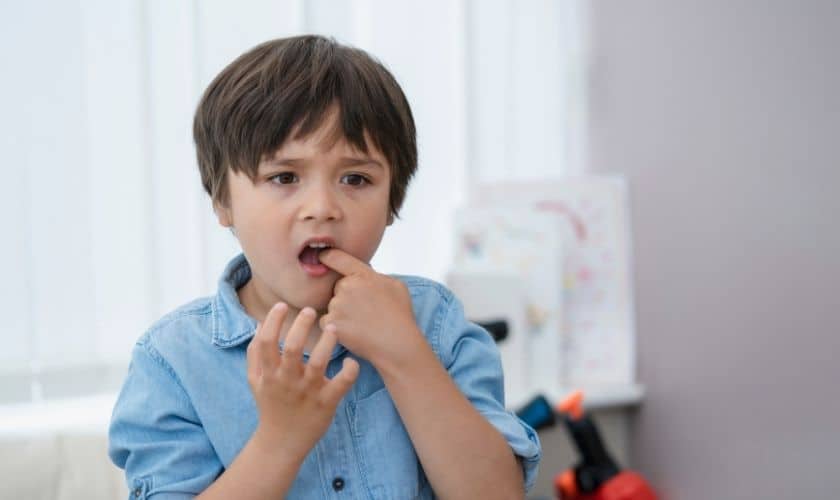
Young children are still developing coordination and balance, making falls one of the most common causes of chipped teeth. Other reasons include:
- Tripping while walking or running
- Falling from playground equipment
- Biting hard toys or objects
- Sports or recreational injuries
- Accidental bumps during play
Because baby teeth have an important role in speech development, chewing, and guiding permanent teeth into place, even a small chip deserves attention.
How Serious Is a Chipped Baby Tooth?
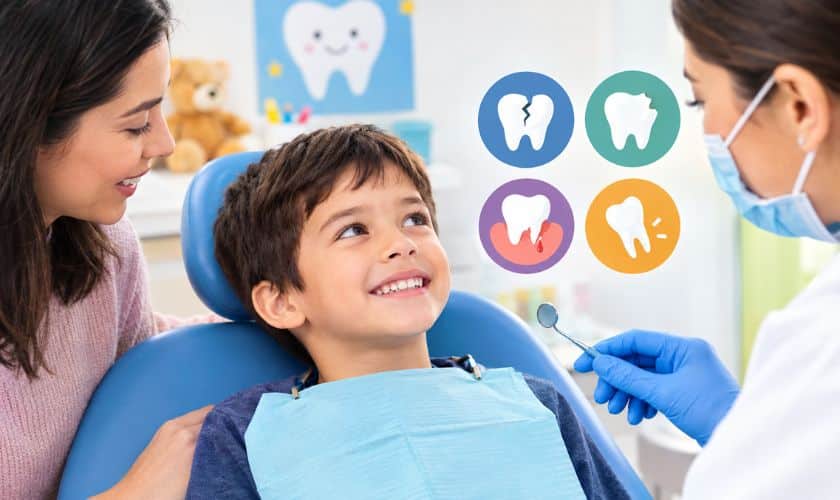
Not every chipped tooth is an emergency. The severity depends on how much of the tooth has been damaged.
Minor Chips
A small chip affecting only the enamel may not cause pain. Although it often appears harmless, rough edges can irritate the tongue or cheeks, so a dentist should still examine the tooth.
Moderate Damage
If the chip reaches deeper layers of the tooth, your toddler may experience sensitivity to hot, cold, or sweet foods. Professional treatment can help prevent infection and further damage.
Severe Breaks
Large fractures, bleeding, swelling, or severe pain require prompt dental attention. In these situations, emergency dentistry in Bakersfield can help manage discomfort and preserve your child’s oral health.
What Should Parents Do Immediately?
If your toddler chips a tooth, follow these simple steps:
- Stay calm and comfort your child.
- Rinse their mouth gently with clean water.
- Apply a cold compress to reduce swelling.
- If you find the broken tooth fragment, keep it in a clean container.
- Avoid giving hard or crunchy foods until the tooth has been examined.
- Schedule a dental appointment as soon as possible.
Avoid attempting to smooth sharp edges or glue broken pieces back together at home.
When Should You Call a Dentist?
You should contact a pediatric dentist if:
- The tooth is painful.
- The chip is large or deep.
- There is bleeding that doesn’t stop.
- Your child refuses to eat because of discomfort.
- The tooth changes colour after the injury.
- Swelling develops around the gums or face.
Early evaluation helps determine whether the tooth can simply be polished or requires restorative treatment.
Treatment Options for Chipped Toddler Teeth
The recommended treatment depends on the severity of the injury.
Smoothing Sharp Edges
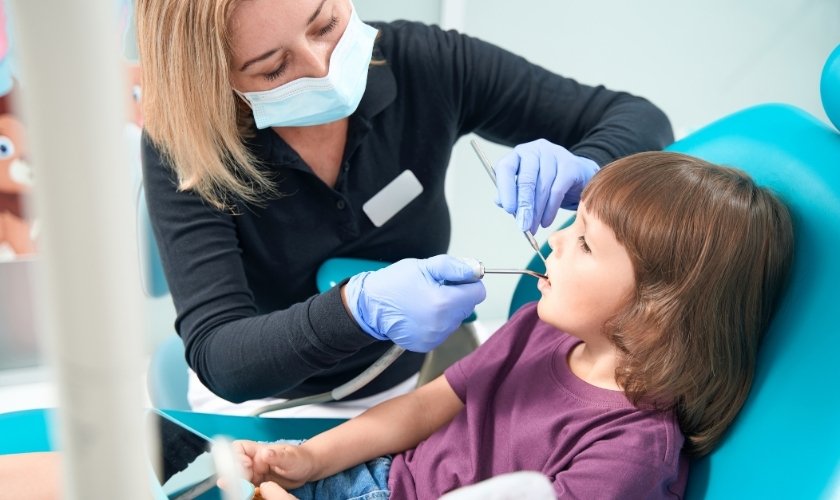
For small chips, the dentist may gently polish the rough edge to improve comfort.
Tooth-Coloured Bonding
If more structure has been lost, tooth-coloured composite material can rebuild the tooth while maintaining a natural appearance.
Protective Crowns
For larger fractures in baby molars, stainless steel crowns may protect the tooth until it naturally falls out.
Tooth Removal
In rare cases where the tooth cannot be saved, extraction may be necessary to protect surrounding tissues and developing permanent teeth.
Can a Chipped Baby Tooth Affect Permanent Teeth?
Although baby teeth eventually fall out, they play a critical role in your child’s oral development. Trauma to a baby tooth can occasionally affect the permanent tooth developing underneath. This is why prompt evaluation is important, even when the injury appears minor.
Monitoring the injured tooth over time also allows your dentist to detect changes such as infection or nerve damage before they become more serious.
Tips to Prevent Chipped Teeth
Parents can reduce the risk of dental injuries by following a few preventive measures:
- Childproof your home to minimise falls.
- Supervise active play whenever possible.
- Avoid allowing toddlers to chew hard objects.
- Encourage the use of age-appropriate protective gear during sports.
- Schedule regular dental check-ups to monitor oral health.
Building healthy dental habits early can help children enjoy stronger teeth as they grow.
Caring for Your Toddler After Treatment
After dental treatment, your child may need softer foods for a day or two. Continue gentle brushing around the treated area and follow any instructions provided by your dentist. Watch for signs of increased pain, swelling, or sensitivity and report them if they occur.
At Sturz & Abby Pediatric Dentistry and Orthodontics, we understand how stressful dental injuries can be for families. Our experienced team provides compassionate care for young patients throughout Bakersfield. If your child has chipped a tooth, call us at (661)588-2525 for prompt evaluation. Check our reviews to learn why families trust our team, and visit our dental office for expert care that helps keep little smiles healthy.
Frequently Asked Questions
1. Can a chipped baby tooth heal on its own?
Baby teeth do not regrow lost enamel. Small chips may not worsen, but a dental examination helps ensure the tooth remains healthy and free from hidden damage.
2. Is a chipped tooth always painful for toddlers?
Not always. Tiny chips may cause little or no discomfort, while deeper fractures can expose sensitive layers and lead to pain during eating or drinking.
3. What foods should my toddler avoid after chipping a tooth?
Hard, sticky, crunchy, and very hot or cold foods are best avoided until the dentist evaluates the injury and recommends a normal diet.
4. Can a chipped baby tooth become infected?
Yes. If bacteria enter the damaged tooth, infection may develop, causing swelling, pain, or changes in tooth colour over time.
5. Should I save the broken tooth piece?
Yes. If possible, keep the fragment clean in a small container and bring it to the dental appointment for evaluation.
6. Will a chipped baby tooth affect speech?
Most small chips have little impact, but larger fractures or tooth loss may temporarily influence speech until appropriate dental care is provided.
7. How can I lower the risk of chipped teeth?
Creating a safe play environment, supervising activities, discouraging chewing on hard objects, and maintaining regular dental visits can reduce injury risks.