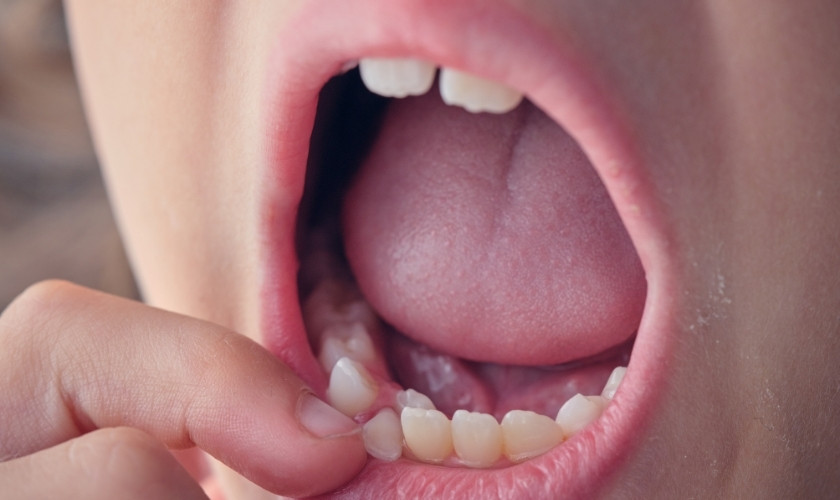

Why Is My Tongue Itchy and Sore?




Experiencing an itchy or sore tongue can be both uncomfortable and concerning. While many people dismiss tongue discomfort as a minor inconvenience, it is often the body’s way of signaling that something is wrong. The causes behind an itchy or sore tongue vary widely—from allergies and infections to serious nutritional deficiencies or systemic health conditions. Understanding potential triggers can help you make informed decisions about when to seek dental or medical care.
In this article, we’ll dive deep into the common causes, possible treatments, and prevention strategies for an itchy and sore tongue.
Common Causes of Itchy and Sore Tongues
1. Allergic Reactions
Allergies are among the leading causes of an itchy tongue. Sometimes, allergens in foods, medications, or even dental products (like toothpaste or mouthwash) can irritate the tongue. One well-known example is oral allergy syndrome (OAS), where certain fresh fruits, vegetables, or nuts trigger itching due to similarities with pollen proteins.
2. Nutritional Deficiencies
Deficiencies in certain vitamins or minerals—especially iron, vitamin B12, and folate—can cause tongue soreness, swelling, or burning sensations. This is frequently seen in individuals with anemia, where the tongue becomes pale, smooth, and painful.
3. Oral Thrush (Yeast Infection)
An overgrowth of Candida albicans, a natural fungus in the mouth, can lead to oral thrush. This condition causes white patches, redness, pain, and itching on the tongue and other oral tissues. It is more common in people with weakened immune systems, those using inhalers, or those recently on antibiotics.
4. Mouth Ulcers (Canker Sores)
Canker sores are small, round lesions that form on the tongue or inside the mouth. They can be triggered by stress, minor trauma, or certain foods like citrus or spicy meals. While not contagious, they are often very painful and can make eating difficult.
5. Dry Mouth (Xerostomia)
When the mouth does not produce enough saliva, the tongue can feel itchy, sore, or even cracked. Dry mouth may be linked to dehydration, certain medications, or medical conditions like Sjogren’s syndrome.
6. Geographic Tongue
This benign condition causes irregular, smooth, red patches on the tongue that look like a map. It may cause pain or sensitivity to certain foods, especially spicy or acidic ones. While not harmful, it can be quite bothersome.
7. Burning Mouth Syndrome
This condition involves a chronic burning or tingling sensation in the tongue without any visible signs of irritation. Stress, hormonal changes, or nerve issues may play a role.
8. Dental Appliances or Oral Irritation
Poor-fitting dentures, dental restorations, or braces can repeatedly irritate the tongue, leading to soreness. Similarly, accidentally biting your tongue or consuming very hot foods can cause injury and ongoing discomfort.
9. Viral or Bacterial Infections
Conditions like cold sores (caused by the herpes simplex virus) or strep throat can sometimes affect the tongue, making it feel sore, swollen, or itchy.
10. More Serious Conditions
In rare cases, a sore or itchy tongue that doesn’t heal could be an early sign of oral cancer. Persistent sores, changes in tongue color, or unexplained pain lasting more than two weeks should always be evaluated by a dentist or doctor.
When Should You See a Dentist or Doctor?
Occasional tongue soreness – especially after eating spicy food or accidentally biting your tongue—usually resolves on its own. But you should seek professional care if you notice:
- Pain or itching lasting more than 2 weeks
- Difficulty swallowing, chewing, or speaking
- Unexplained white or red patches on the tongue
- Persistent bumps, swelling, or bleeding
- Accompanying symptoms like fever, fatigue, or swollen lymph nodes
Your dentist can evaluate your oral health and determine if the issue is dental-related, while a physician can investigate underlying conditions like allergies or systemic illnesses.
Home Remedies and Relief Tips
If your itchy or sore tongue is not linked to a serious condition, these steps may help relieve discomfort:
- Rinse with salt water: A natural antibacterial rinse that soothes irritation.
- Stay hydrated: Drinking enough water prevents dry mouth and reduces irritation.
- Avoid irritants: Limit alcohol, tobacco, spicy foods, or very acidic foods.
- Try a soft diet: Smooth foods like yogurt or mashed potatoes are easier on a sore tongue.
- Good oral hygiene: Brush gently and use an alcohol-free mouthwash.
- Manage allergies: Identify and avoid trigger foods or products.
For ongoing or severe cases, professional dental treatment may include prescription antifungal medications, vitamin supplements, or changes in dental appliances.
Preventing Tongue Irritation
Prevention often comes down to good oral hygiene and healthy lifestyle habits. Here’s what you can do:
- Schedule regular dental checkups and cleanings.
- Brush your teeth and tongue twice daily with fluoride toothpaste.
- Floss daily to reduce bacteria buildup.
- Maintain a balanced diet rich in vitamins and minerals.
- Avoid smoking and limit alcohol consumption.
- Stay alert to changes in your tongue’s appearance, texture, or comfort.
Final Thoughts
An itchy and sore tongue might be caused by something as simple as a food allergy or a minor mouth ulcer, but it can also be a sign of a larger health concern. Paying attention to persistent or unusual symptoms is key to protecting both your oral and overall health. If your discomfort does not improve on its own, make an appointment with a dentist for a thorough evaluation.
FAQs
1. Can food allergies cause an itchy tongue?
Yes, food allergies and oral allergy syndrome can cause immediate itching or swelling after eating certain raw fruits, vegetables, or nuts.
2. How long does a sore tongue usually last?
Minor tongue soreness usually heals within 7–10 days. If the pain lasts longer, it’s best to see a dentist or doctor.
3. Can stress cause a sore tongue?
Yes, stress can trigger conditions like canker sores or burning mouth syndrome, both of which affect the tongue.
4. Does oral thrush make your tongue itchy?
Yes. Oral thrush can cause itching, soreness, and a white coating on the tongue.
5. Can dry mouth cause discomfort in the tongue?
Absolutely. When saliva production is low, the tongue may feel scratchy, sore, or cracked.
6. Should I worry if my tongue is red and sore?
A red, sore tongue could result from vitamin deficiencies, infections, or irritation. Persistent cases should be evaluated by a professional.
7. Can dental appliances irritate the tongue?
Yes. Poor-fitting dentures, braces, or crowns can rub against the tongue and cause soreness.
8. Is a sore tongue ever a sign of cancer?
Rarely, but persistent sores or patches on the tongue that don’t heal within two weeks should always be checked for possible oral cancer.
9. Can I treat a sore tongue naturally at home?
Yes. Saltwater rinses, staying hydrated, and avoiding irritants often help with minor discomfort.
10. When should I see a doctor or dentist about a sore tongue?
If symptoms last longer than two weeks, worsen over time, or are accompanied by other symptoms (such as difficulty swallowing or persistent lesions), professional care is essential.