
Invisalign vs. Traditional Braces: Which is Best for Your Child?




When it comes to orthodontic treatment for children, parents are often faced with a crucial decision: should they choose Invisalign or traditional braces? Both options have their pros and cons, and understanding these can help you make an informed choice that best suits your child’s needs. In this blog, we’ll explore the key differences between Invisalign and traditional braces, as well as the benefits and considerations for each option.
Understanding the Basics
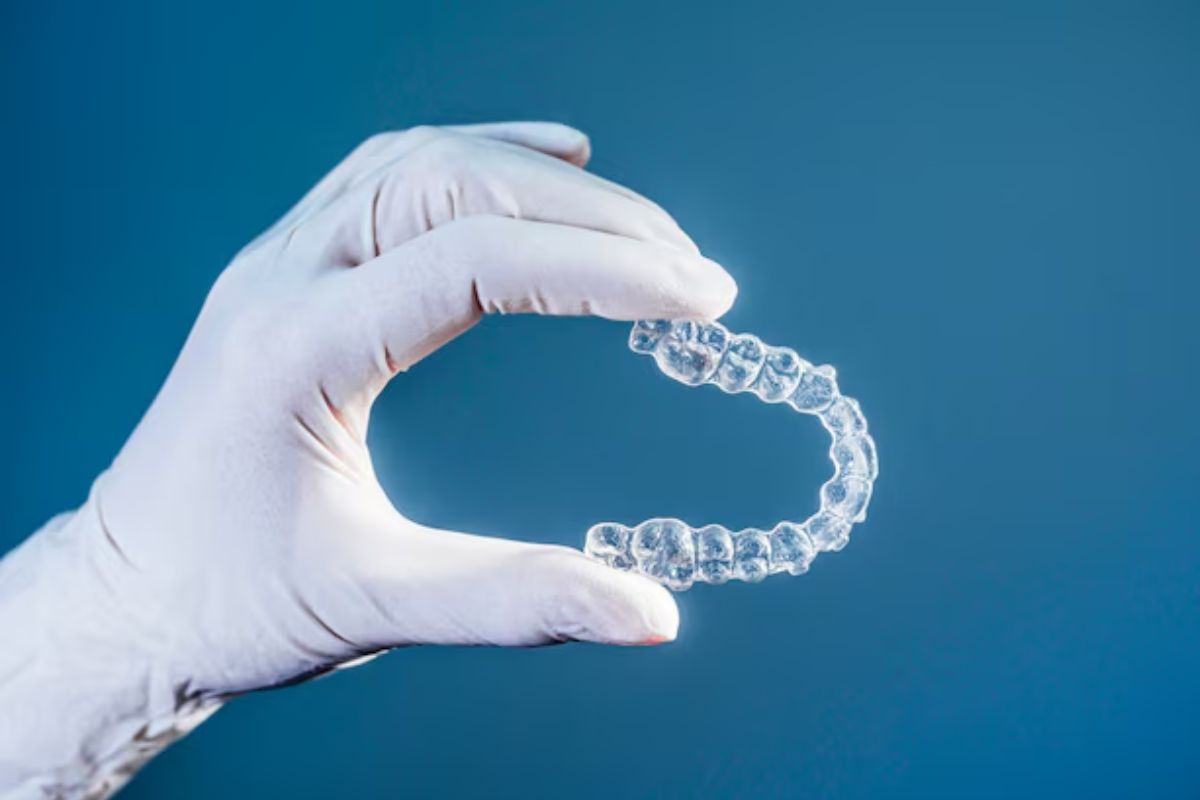
Invisalign is a modern orthodontic treatment that uses a series of clear, removable aligners to gradually shift teeth into their desired positions. These aligners are custom-made for each child and are designed to be worn for 20 to 22 hours a day.
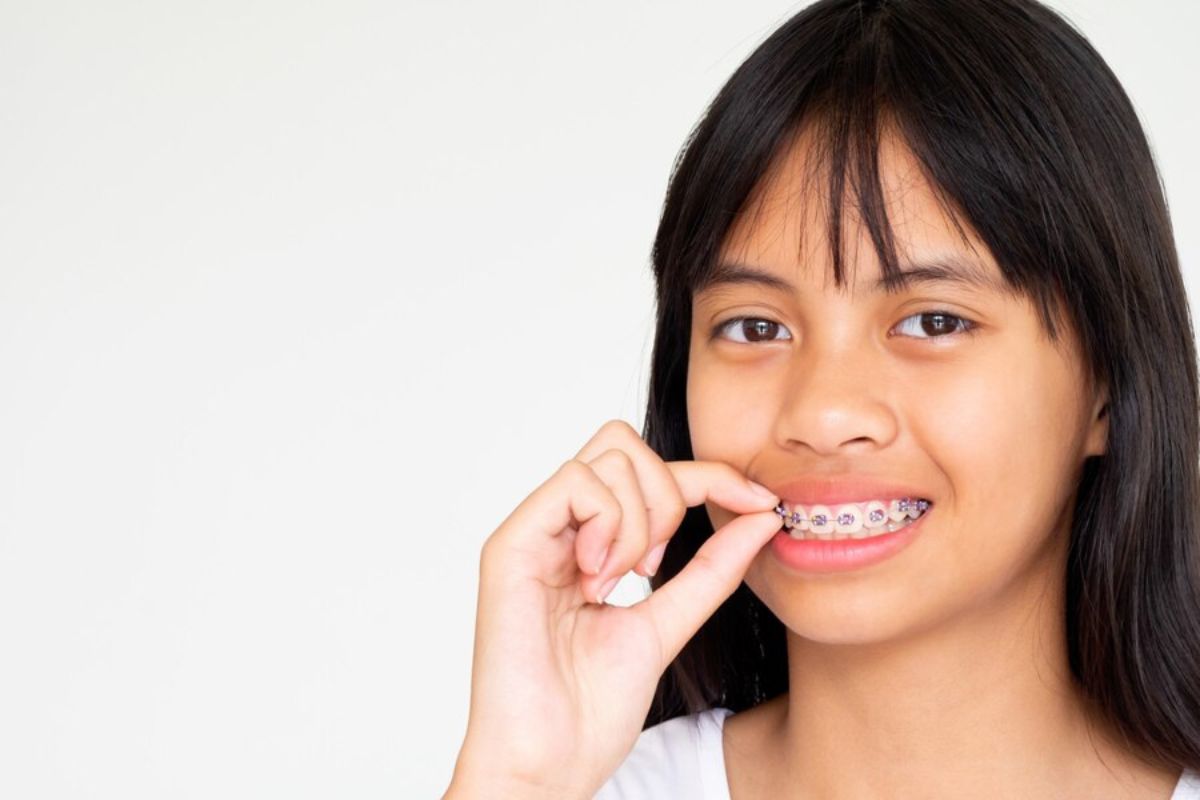
Traditional braces, on the other hand, consist of metal brackets attached to the teeth and connected by wires. The orthodontist adjusts the wires periodically to apply pressure on the teeth, guiding them into proper alignment.
Aesthetic Considerations
One of the most significant differences between Invisalign and traditional braces is their appearance. Invisalign aligners are clear and virtually invisible, making them a popular choice among children and teenagers who may feel self-conscious about wearing braces. Traditional braces, while effective, are more noticeable and can lead to increased anxiety for some children.
Winner: Invisalign for its discreet appearance, which can help boost a child’s confidence during treatment.
Comfort and Convenience
Invisalign aligners are made from smooth plastic, which means they are generally more comfortable than traditional braces. There are no metal wires or brackets to irritate the gums or cheeks, reducing the likelihood of discomfort. Additionally, Invisalign aligners are removable, allowing children to eat their favorite foods without restrictions and maintain better oral hygiene since they can brush and floss normally.
In contrast, traditional braces can cause soreness, especially after adjustments. Certain foods, like popcorn and sticky candies, must be avoided, as they can damage the brackets or wires.
Winner: Invisalign for its comfort and convenience, allowing for a more flexible lifestyle.
Treatment Time and Effectiveness
The treatment duration for both options can vary significantly depending on the complexity of the case. However, Invisalign can sometimes lead to shorter treatment times for mild to moderate misalignment, as it often allows for more predictable tooth movement. Traditional braces are typically effective for a wider range of orthodontic issues and can handle more complex cases, particularly in younger children.
Ultimately, the effectiveness of both methods will depend on the specific needs of your child, as well as their compliance with the treatment plan.
Winner: Depends on the individual case; both options can be effective, but Invisalign may be quicker for certain issues.
Compliance and Responsibility
One of the critical factors to consider when choosing Invisalign is the level of responsibility required from your child. Since Invisalign aligners are removable, it’s essential that your child wears them as instructed. Failure to do so can prolong treatment and affect the final results.
Traditional braces do not rely on patient compliance in the same way, as they are fixed and cannot be removed by the patient. This can be beneficial for younger children or those who may struggle with the responsibility of wearing aligners.
Winner: Traditional Braces for their fixed nature, making them suitable for children who may struggle with compliance.
Cost Considerations
The cost of orthodontic treatment can vary widely depending on factors such as location, the complexity of the case, and insurance coverage. Generally, traditional braces are less expensive than Invisalign. However, many parents find the added benefits of Invisalign, such as comfort and aesthetics, to be worth the potential extra cost.
Winner: Traditional Braces for affordability, but the best choice will depend on your budget and priorities.
Conclusion
Both Invisalign and traditional braces offer effective solutions for correcting misaligned teeth, but the best choice for your child will depend on various factors, including their age, the severity of their orthodontic issues, lifestyle, and personal preferences.
Consulting with an experienced orthodontist can provide valuable insights into which treatment option is best suited for your child’s specific needs. Ultimately, the goal is to achieve a healthy, beautiful smile that your child can feel proud of, regardless of the method chosen. Whether you opt for the discreetness of Invisalign or the tried-and-true effectiveness of traditional braces, the right treatment can pave the way for a confident and happy future for your child.