
Does My Child Need Braces? Signs and Symptoms to Watch For



As a parent, you want to ensure that your child has a healthy, confident smile. One common concern parents face is whether their child may need braces. Orthodontic treatment not only improves appearance but also plays a vital role in oral health by correcting bite issues and aligning teeth. But how do you know if your child needs braces? Here’s a guide to the key signs and symptoms to watch for, so you can take action at the right time.
Why Orthodontics Is Important
Before diving into the signs, it’s essential to understand why orthodontic treatment matters. Braces are used to correct problems such as crooked teeth, crowding, and bite issues (overbites, underbites, and crossbites). Left untreated, these problems can lead to more serious issues like tooth decay, gum disease, or difficulty chewing and speaking. The sooner orthodontic issues are addressed, the better the long-term results for your child’s dental and overall health.
Key Signs That Your Child Might Need Braces
Many orthodontic issues become apparent as your child grows. Here are some common signs to look for:
1. Crowded or Crooked Teeth
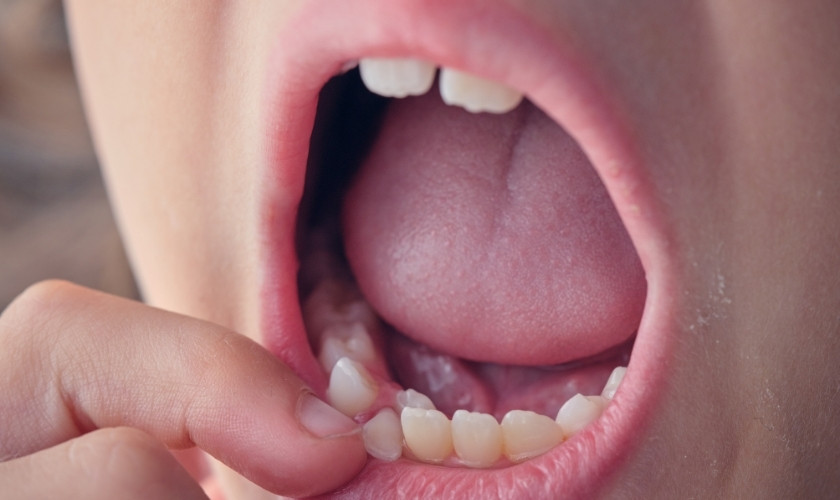
One of the most noticeable signs that your child might need braces is the appearance of crowded or crooked teeth. If your child’s teeth overlap, twist, or don’t align properly, it could indicate a problem that requires orthodontic correction. Crowded teeth make it harder to clean properly, which can lead to cavities or gum disease over time.
2. Difficulty Biting or Chewing
If your child has trouble biting or chewing their food, it could be a sign that their teeth and jaws are not properly aligned. This issue can often be corrected with braces, ensuring that your child can eat comfortably and maintain good nutrition.
3. Thumb Sucking Beyond Early Childhood
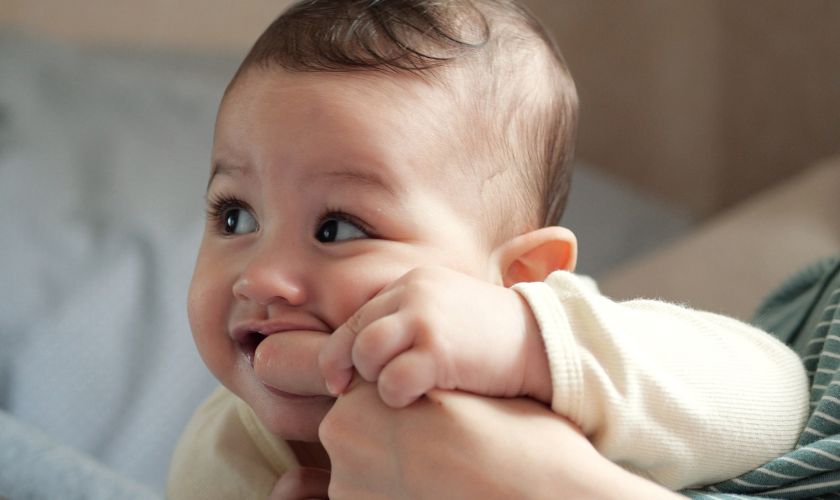
Thumb sucking is common in infants and toddlers, but if the habit persists beyond the age of 4 or 5, it can lead to dental issues like an overbite, open bite, or misalignment of the teeth. Braces may be needed to correct the damage caused by prolonged thumb sucking.
4. Overbite or Underbite
An overbite occurs when the upper front teeth overlap the lower front teeth, while an underbite is when the lower teeth extend past the upper teeth. Both conditions can lead to problems with chewing, speech, and even self-esteem. These bite issues are common reasons for orthodontic treatment and can be corrected with braces or other appliances.
5. Jaw Misalignment or Clicking
If your child’s jaw seems to shift or make clicking sounds when they open or close their mouth, this could be a sign of a misalignment that requires attention. Jaw misalignment can lead to discomfort or pain and may affect your child’s ability to chew or speak properly.
6. Breathing Through the Mouth
Mouth breathing, especially while sleeping, can be a sign of an underlying orthodontic issue. It can affect the development of the jaw and teeth and may lead to bite problems. If you notice your child frequently breathing through their mouth, it might be time for an orthodontic evaluation.
7. Early or Late Loss of Baby Teeth
The timing of losing baby teeth can also be a clue that your child may need braces. If your child loses their baby teeth too early or too late, it can affect how their permanent teeth grow in, potentially leading to crowding or misalignment.
8. Speech Difficulties
Speech problems like lisping or difficulty pronouncing certain sounds could indicate a misalignment of the teeth or jaw. While speech therapy may help, orthodontic treatment may be necessary to correct the underlying dental issues.
When Should You See an Orthodontist?
The American Association of Orthodontists recommends that children have their first orthodontic evaluation by the age of 7. At this age, your child will likely have a mix of baby and permanent teeth, and an orthodontist can assess how their mouth is developing. Even if your child doesn’t need braces right away, early evaluation can identify potential problems and allow for timely intervention, which can shorten treatment time later.
What to Expect During an Orthodontic Consultation
During the first orthodontic visit, the orthodontist will examine your child’s teeth, mouth, and jaw. They may take X-rays or impressions to better understand the alignment of the teeth and bite. If braces or other orthodontic treatment are recommended, the orthodontist will explain the treatment plan, including the type of braces, how long treatment will last, and how to care for braces at home.
Conclusion
If your child exhibits any of the signs mentioned above, it’s a good idea to schedule an orthodontic consultation. Early detection and treatment of dental issues can prevent more severe problems down the road. Braces not only enhance the appearance of your child’s smile but also promote better oral health, which will benefit them for a lifetime. Don’t hesitate to reach out to an orthodontist for a professional evaluation to ensure your child’s teeth and jaws develop properly.