
Common Dental Issues in Children and How to Prevent Them


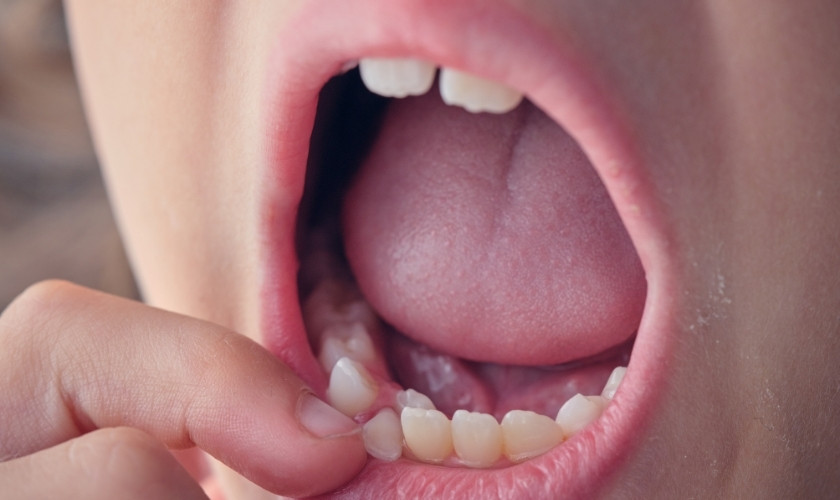
As a parent, ensuring your child’s health is a top priority, and that includes their oral health. Unfortunately, children are prone to various dental issues that can affect their overall well-being. Understanding these common dental problems and how to prevent them is crucial in safeguarding your child’s smile and long-term health. This blog will explore the most prevalent dental issues in children and provide practical tips on how to prevent them.
1. Tooth Decay (Cavities)
Tooth decay is the most common chronic disease among children in the United States. It occurs when bacteria in the mouth produce acids that erode tooth enamel, leading to cavities. Children are particularly vulnerable to cavities due to their love for sugary snacks and drinks, combined with inconsistent oral hygiene practices.
Prevention Tips:
- Limit Sugar Intake: Reduce the amount of sugary foods and drinks in your child’s diet, including candy, soda, and fruit juices. Opt for healthier snacks like fruits, vegetables, and cheese.
- Encourage Regular Brushing and Flossing: Teach your child to brush their teeth twice a day with fluoride toothpaste and floss daily. Supervise their brushing to ensure they are doing it correctly.
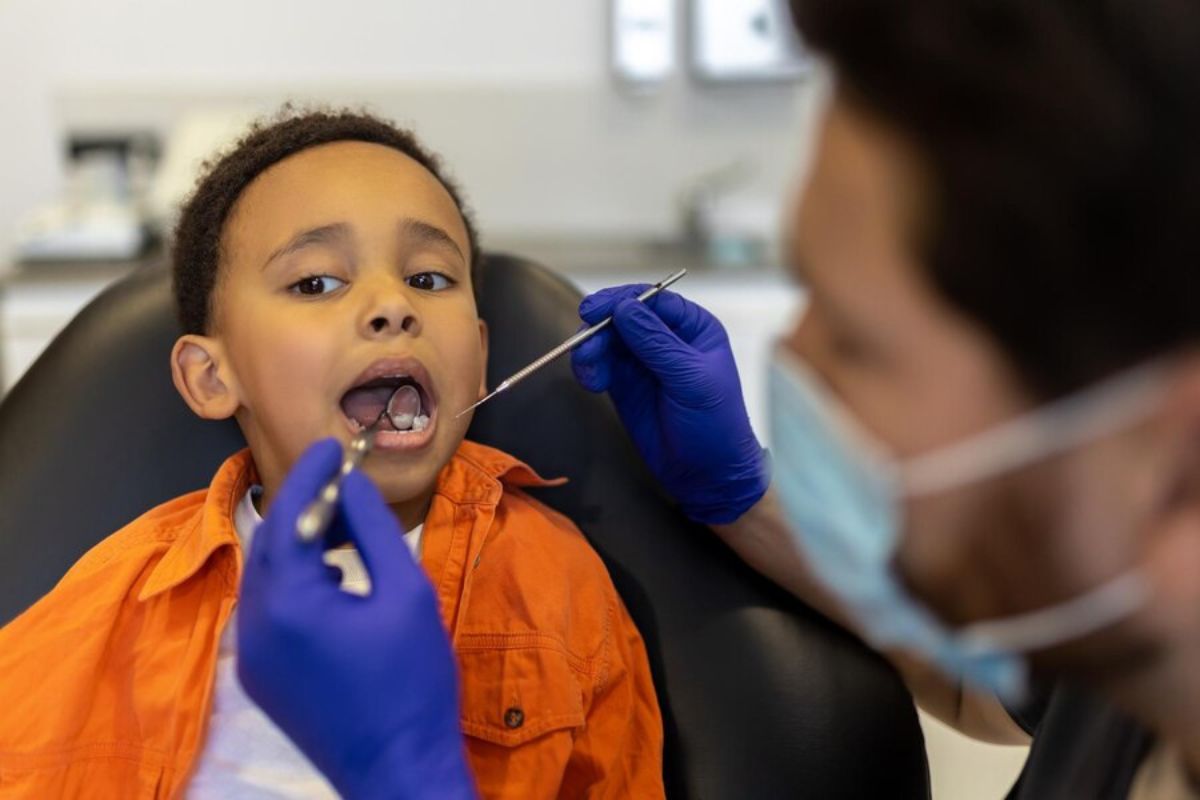
- Regular Dental Visits: Schedule regular dental check-ups every six months. A pediatric dentist can identify early signs of decay and provide treatments like fluoride varnish or dental sealants to protect your child’s teeth.
2. Gum Disease (Gingivitis)
Gum disease, or gingivitis, is an inflammation of the gums caused by plaque build-up along the gumline. While it’s more common in adults, children can also develop gingivitis, especially if they have poor oral hygiene habits.
Prevention Tips:
- Proper Brushing Techniques: Teach your child to brush along the gumline to remove plaque effectively. Use a soft-bristled toothbrush and fluoride toothpaste.
- Regular Flossing: Flossing helps remove plaque from between the teeth and along the gumline where a toothbrush can’t reach.
- Healthy Diet: A balanced diet rich in vitamins and minerals supports gum health. Encourage your child to eat plenty of fruits and vegetables.
3. Tooth Sensitivity
Tooth sensitivity in children can result from various factors, including tooth decay, enamel erosion, or gum recession. Sensitive teeth can cause discomfort or pain when consuming hot, cold, or sweet foods and drinks.
Prevention Tips:
- Use Fluoride Toothpaste: Fluoride strengthens tooth enamel and can help reduce sensitivity. Ensure your child uses toothpaste with fluoride.
- Avoid Acidic Foods and Drinks: Limit your child’s consumption of acidic foods and beverages, such as citrus fruits and sodas, which can erode enamel.
- Regular Dental Check-Ups: A dentist can diagnose the cause of tooth sensitivity and recommend appropriate treatments, such as fluoride treatments or desensitizing toothpaste.
4. Thumb-Sucking and Pacifier Use
Thumb-sucking and prolonged pacifier use are common habits in young children. While they can be soothing, these habits can lead to dental issues, such as misaligned teeth or changes in the shape of the mouth, if they continue beyond the age of three.
Prevention Tips:
- Encourage Alternative Comfort Measures: Offer your child alternative comfort items, like a blanket or stuffed animal, to help reduce the need for thumb-sucking or pacifiers.
- Positive Reinforcement: Praise and reward your child when they avoid thumb-sucking or using a pacifier. Consistent positive reinforcement can help them break the habit.
- Consult a Pediatric Dentist: If the habit persists, consult a pediatric dentist who can provide guidance and, if necessary, a dental appliance to discourage the habit.
5. Dental Injuries
Children are active and can easily sustain dental injuries from falls, sports, or rough play. These injuries can range from chipped or broken teeth to more severe issues like knocked-out teeth.
Prevention Tips:
- Use Mouthguards: If your child participates in sports, ensure they wear a properly fitted mouthguard to protect their teeth from injury.
- Childproof Your Home: Make your home safe by removing tripping hazards and using corner protectors on furniture to prevent falls.
- Emergency Preparedness: Know what to do in case of a dental injury. Keep your dentist’s contact information handy, and seek immediate care if a tooth is knocked out or severely damaged.
Conclusion
Maintaining your child’s oral health requires a proactive approach to prevent common dental issues. By encouraging good oral hygiene habits, making healthy dietary choices, and scheduling regular dental visits, you can help protect your child’s smile and overall health. Remember, early prevention is key to ensuring that your child enjoys a lifetime of healthy, happy smiles.