
What Causes Cavities in Children?



Cavities, also known as dental caries, are one of the most common oral health issues affecting children worldwide. They occur when tooth enamel breaks down due to acids produced by bacteria in the mouth. While cavities can affect people of all ages, children are particularly vulnerable because their teeth are still developing, and they often struggle with consistent oral hygiene habits. Understanding the causes of cavities in children is the first step toward prevention.
1. Poor Oral Hygiene Habits
One of the biggest contributors to cavities in children is inadequate brushing and flossing. When kids do not brush twice a day or fail to floss regularly, plaque builds up on the teeth. Plaque is a sticky film of bacteria that feeds on sugars in the mouth and produces acids that attack the enamel. Children may also rush through brushing or miss hard-to-reach areas, especially the molars, which are prone to decay.
2. High-Sugar and Acidic Diets
Sugary snacks and drinks are a leading cause of tooth decay in children. Foods such as candy, cookies, soda, fruit juices, and even sticky snacks like dried fruit can cling to teeth, feeding harmful bacteria. These bacteria then produce acid that wears away the enamel. Acidic drinks like sports drinks and citrus juices can also soften enamel, making it more vulnerable to cavities. Frequent snacking and sipping throughout the day only increase the risk, as teeth are repeatedly exposed to acid attacks.
3. Bacteria Transmission
Cavity-causing bacteria, especially Streptococcus mutans, can actually be transferred from parents or caregivers to children through saliva. Sharing utensils, blowing on food, or even kissing on the lips can pass these bacteria. Once established in a child’s mouth, they contribute to plaque buildup and decay.
4. Weaker Enamel in Baby Teeth
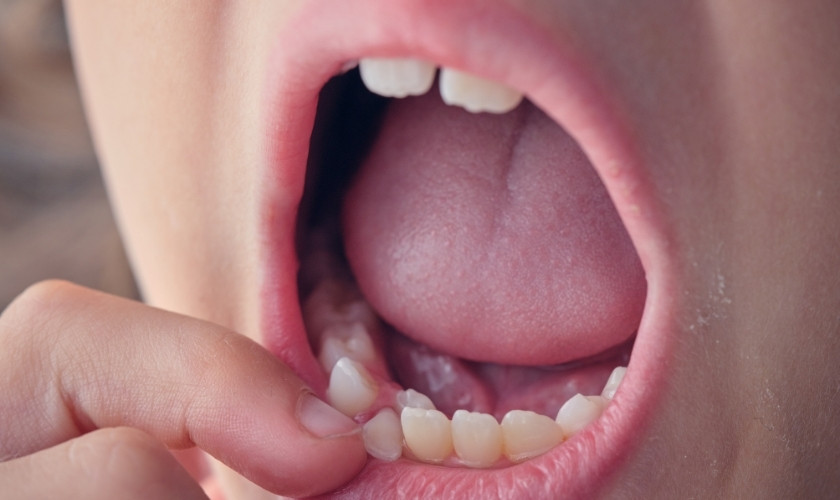
Children’s primary (baby) teeth have thinner and softer enamel compared to adult teeth. This makes them more susceptible to cavities. Once decay begins, it can progress quickly, often causing pain or infection if left untreated. Even though baby teeth eventually fall out, they play a crucial role in speech, chewing, and holding space for permanent teeth, so protecting them from decay is essential.
5. Dry Mouth and Reduced Saliva Flow
Saliva is the mouth’s natural defense system. It helps wash away food particles, neutralize acids, and strengthen enamel with minerals like calcium and phosphate. However, some children may experience dry mouth due to dehydration, mouth breathing, or certain medications. Reduced saliva flow creates an environment where bacteria thrive, increasing the risk of cavities.
6. Infrequent Dental Visits
Regular dental checkups are critical for early detection and prevention of cavities. Unfortunately, many children do not see a dentist until they experience pain or visible decay. Pediatric dentists can identify early signs of cavities, provide professional cleanings, and apply preventive treatments like fluoride varnishes or dental sealants to protect vulnerable teeth.
7-Year-Old Tooth Decay Treatment
For children around age 7, cavities may affect both baby teeth and the first permanent molars. Treatment usually includes:
- Fluoride therapy to strengthen early enamel damage.
- Dental fillings to restore teeth with moderate cavities.
- Pulp therapy or crowns for deeper decay affecting nerves.
Since permanent teeth are beginning to erupt, treating cavities early is critical to avoid long-term damage.
5-Year-Old Tooth Decay Treatment
At age 5, most children still have their full set of baby teeth. Dentists may recommend:
- Silver diamine fluoride (SDF) to stop cavity progression without drilling.
- Fillings or crowns for advanced decay in baby molars.
- Space maintainers if a severely damaged tooth needs extraction, ensuring permanent teeth come in properly.
How to Treat Cavities in Baby Teeth Naturally
While professional dental care is always the best option, parents can support cavity prevention and slow down early decay naturally by:
- Encouraging a healthy diet low in sugary foods and drinks.
- Using fluoride toothpaste (pea-sized amount for children over 3).
- Providing xylitol-based products like sugar-free gum to reduce bacteria.
- Offering crunchy fruits and vegetables that stimulate saliva and clean teeth.
These natural methods do not “cure” cavities but can help strengthen enamel and protect baby teeth until a dentist provides treatment.
Tips for Preventing Cavities in Children
- Encourage brushing twice daily with fluoride toothpaste.
- Teach children proper brushing techniques and supervise until they are at least 7–8 years old.
- Limit sugary snacks and drinks, especially between meals.
- Provide water instead of juice or soda.
- Visit the dentist every six months for checkups and cleanings.
- Ask about sealants and fluoride treatments for extra protection.
Conclusion
Cavities in children are caused by a combination of poor oral hygiene, high sugar consumption, bacterial activity, and the natural vulnerability of baby teeth. Treatments differ depending on the child’s age, such as specialized care for 5-year-olds and 7-year-olds, but early intervention is always key. While natural remedies can support enamel health, professional pediatric dental care remains the most effective way to treat cavities. By encouraging healthy habits and scheduling regular checkups, parents can help protect their child’s smile for years to come.
FAQs
1. Are cavities in baby teeth really a big deal?
Yes. Cavities in baby teeth can cause pain, infection, and even affect the development of permanent teeth if left untreated.
2. How do I know if my child has a cavity?
Signs include tooth sensitivity, visible holes or discoloration, and complaints of tooth pain. However, cavities often have no symptoms in early stages, which is why regular checkups are important.
3. What age should children start brushing on their own?
Children can start brushing with supervision around age 3–4, but they usually need help until at least age 7–8 to ensure proper cleaning.
4. Can cavities heal on their own?
Early-stage enamel weakening can sometimes be reversed with fluoride and improved oral hygiene, but once a cavity forms, it requires professional dental treatment.
5. How often should kids go to the dentist?
Children should see a dentist every six months for preventive care, unless the dentist recommends more frequent visits.