
Baby Teeth Coming in Out of Order? What It Really Means




Every child is unique, including how and when their baby teeth appear. While most parents expect a certain eruption sequence, some notice that their child’s teeth come in out of order. This can create understandable concern—but often, it’s perfectly normal. Understanding why baby teeth sometimes erupt differently can help you know when to relax and when to seek a pediatric dentist’s guidance.
Understanding the Normal Tooth Eruption Order
Typically, children’s first teeth begin to appear between 6 and 10 months of age. The usual eruption pattern is as follows:
- Lower central incisors (bottom front teeth)
- Upper central incisors (top front teeth)
- Upper lateral incisors (next to the two top front teeth)
- Lower lateral incisors
- First molars
- Canines (cuspids)
- Second molars
By the time your child is around 3 years old, they should have a complete set of 20 primary (baby) teeth. However, it’s not uncommon for this sequence to vary slightly.
Why Some Children’s Teeth Come in Out of Order
Teeth may not always follow the textbook order for a few natural and environmental reasons.
- Genetics:
Just like eye color or height, dental development is strongly influenced by genetics. If you or your partner had teeth erupt early, late, or out of order, your child may follow the same pattern. - Differences in Jaw Growth:
The alignment and spacing of a child’s jaw can impact how teeth come in. If the upper or lower jaw grows a little faster, certain teeth might have more room to erupt before others. - Early or Delayed Development:
Factors such as premature birth, low birth weight, or nutritional differences can slightly affect dental timelines. However, these variations typically resolve on their own. - Space Management in the Mouth:
Occasionally, teeth will emerge in the spaces available rather than in strict order, ensuring your child’s mouth develops evenly.
When to Be Concerned About Eruption Order
In most cases, out-of-order eruption is harmless. However, there are times when a pediatric dentist should examine your child’s teeth:
- Severe asymmetry: Only one side of the mouth is developing while the other lags behind.
- Crowding or overlapping: New teeth growing behind or on top of others may indicate space issues.
- Delayed eruption: No teeth by 12 months or incomplete eruption past age 3 could point to underlying concerns.
- Discoloration or unusual shape: These could signal enamel or developmental issues rather than eruption order problems.
If you notice any of these signs, it’s best to visit our dental office for a professional evaluation. Early detection helps ensure the most natural and healthy alignment for your child’s permanent teeth later on.
What Dentists Look For
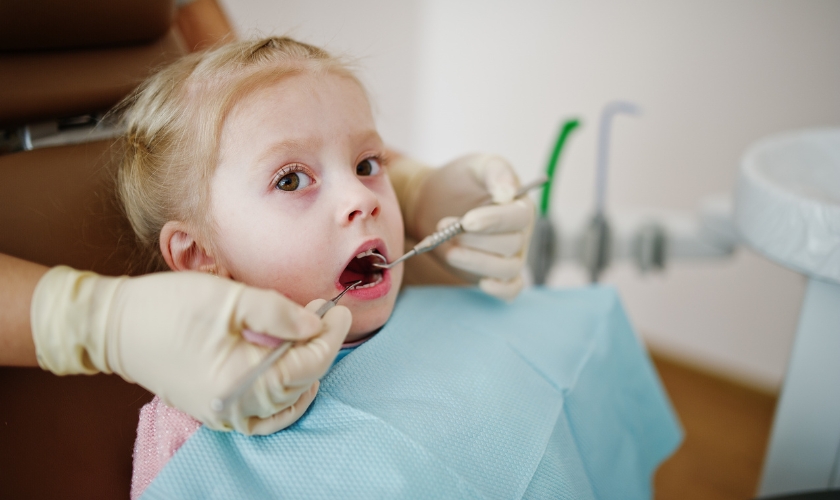
During a pediatric dental exam, your child’s dentist will:
- Review the eruption pattern and timing
- Check jaw growth and spacing
- Take X-rays (if necessary) to view unerupted teeth
- Identify any abnormalities in enamel or gum tissue
- Offer sealants, fluoride treatments, or advice for oral hygiene if needed
Even when teeth erupt differently, as long as the teeth are healthy, aligned reasonably, and show normal enamel development, dentists often just continue monitoring the progress.
How to Support Healthy Tooth Eruption
You can help ensure your child’s teeth come in strong and healthy by maintaining good oral habits and a nutritious diet.
- Brush gently twice a day with a soft-bristled toothbrush and fluoride toothpaste.
- Avoid prolonged bottle feeding, as it may cause tooth decay.
- Encourage solid foods rich in calcium and vitamin D for stronger enamel.
- Schedule routine checkups every six months with your pediatric dentist.
Monitoring teeth doesn’t just protect their current smile—it also sets the stage for future permanent teeth to come in correctly.
Why Baby Teeth Matter Even If They’re Temporary
Many parents assume baby teeth are not as important since they fall out later. However, they play a vital role in your child’s development:
- Help with proper speech and chewing
- Maintain spacing for permanent teeth
- Promote confident smiles and healthy social habits
- Guide jaw and facial growth
If a baby tooth erupts out of order but remains healthy and aligned, there’s usually no cause for intervention. The most important step is maintaining cleanliness and regular exams.
When Baby Teeth Signal a Larger Issue
On rare occasions, out-of-order eruption may point to conditions like:
- Impacted teeth: When a tooth gets stuck under the gumline and can’t erupt naturally
- Supernumerary teeth: Extra teeth that block normal eruption
- Congenital absence: Missing permanent teeth that can influence future spacing
- Endocrine or growth disorders: Abnormal timing in tooth development can occur in certain medical conditions
Your pediatric dentist can determine if further testing or orthodontic consultation is needed.
Helping Parents Navigate the Teething Stage
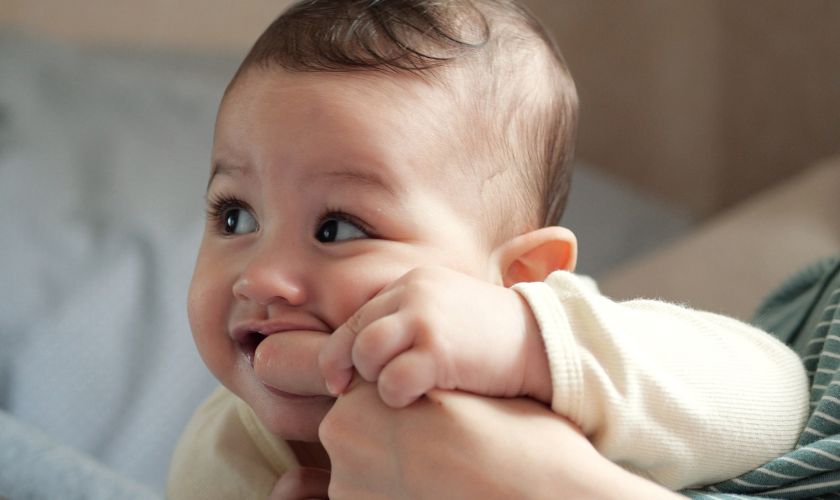
Teething can be uncomfortable regardless of eruption order. Common soothing tips include:
- Massaging sore gums with a clean finger or cold washcloth
- Offering chilled (not frozen) teething rings
- Keeping drool wiped to prevent skin irritation
- Providing age-appropriate pain relief as directed by your dentist
These small comforts make the teething process easier while ensuring your child stays comfortable and happy.
Final Thoughts
Every child’s smile blooms at its own pace. Teeth coming in out of order rarely indicate a serious problem; it’s simply a quirk of natural growth. Still, maintaining consistent dental visits and good home care ensures each new tooth has a strong, healthy foundation.
If you have concerns about your child’s tooth eruption or spacing, don’t hesitate to talk with our team. We’re here to guide you through every stage of your child’s dental development. Book an Appointment today at North Atlanta Kids Dentistry to keep your child’s smile bright and healthy.
FAQs
1. Is it normal for baby teeth to come in unevenly?
Yes. Many children experience teeth erupting out of order, and most cases resolve naturally without intervention.
2. What should I do if my child’s teeth are erupting on only one side?
If the difference is more than a few months or if you notice swelling, see a pediatric dentist to ensure proper jaw development.
3. Can out-of-order baby teeth affect permanent teeth?
Usually, no. As long as baby teeth are healthy and spacing is adequate, permanent teeth should erupt normally.
4. Does delayed eruption mean something is wrong?
Not necessarily. Delays of a few months are common, but if there are no teeth by 12 months, schedule a dental evaluation.
5. Should I worry if my child’s canines come in before molars?
No. Eruption sequences vary widely. What matters is that all teeth eventually appear and align well.
6. How often should children visit the dentist during teething?
After the first tooth appears or by age one, regular six-month checkups are recommended to monitor healthy development.