
Can Orthodontics Fix Jaw Pain or Bite Problems?



Jaw pain and bite problems can affect more than just your smile. Difficulty chewing, uneven tooth contact, jaw stiffness, headaches, and clicking sounds may sometimes be connected to the way your teeth and jaws come together. For children and teens, addressing bite concerns early may help support healthier oral development. But can orthodontics actually help with jaw pain or bite problems? In many cases, orthodontic treatment can improve certain bite-related issues and may reduce stress placed on the teeth and jaw.
Understanding the Connection Between Your Bite and Jaw
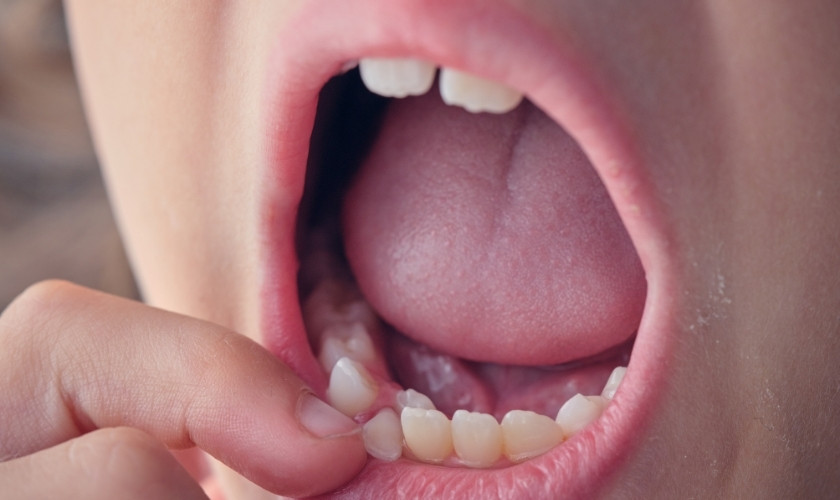
Your upper and lower teeth are designed to meet in a balanced way when you close your mouth. When teeth are crowded, misaligned, or positioned incorrectly, the bite may become uneven. This can place additional pressure on certain teeth and affect how the jaw moves during chewing and speaking.
Common bite problems include overbites, underbites, crossbites, and open bites. Some patients may also have significant crowding or spacing that changes how their teeth contact one another. Depending on the underlying cause, orthodontic treatment may help create a more balanced relationship between the teeth and jaws.
However, jaw pain can have many causes. Tooth problems, muscle tension, injury, arthritis, teeth grinding, and temporomandibular joint (TMJ) disorders may also contribute to discomfort. That is why a professional evaluation is important before assuming that orthodontics is the solution.
How Orthodontics May Help
Orthodontic treatment works by gradually guiding teeth into improved positions. Braces or clear aligners can correct many forms of tooth misalignment and bite irregularities. When the teeth fit together more appropriately, chewing forces can be distributed more evenly.
For growing children and teenagers, orthodontic care can sometimes address certain developmental concerns while the jaws are still maturing. Depending on the patient’s needs, treatment may involve braces, aligners, space maintainers, expanders, or other orthodontic appliances.
An Orthodontist in Bakersfield can evaluate the alignment of the teeth, jaw relationship, facial development, and overall bite before recommending treatment. The goal is not simply to straighten teeth but to develop a functional and stable bite that supports long-term oral health.
Can Orthodontics Relieve Jaw Pain?
Orthodontics may help when jaw discomfort is associated with an unhealthy or uneven bite. Improving tooth alignment can sometimes reduce excessive contact and make jaw movement more balanced. Patients may notice improvements in chewing comfort and certain bite-related symptoms after appropriate treatment.
Still, orthodontics is not a universal treatment for jaw pain. If discomfort comes primarily from the jaw joint, muscles, grinding, inflammation, or another condition, additional treatment may be necessary. A thorough examination helps determine whether orthodontic care is appropriate or whether another approach should be considered.
It is also important to remember that clicking or popping in the jaw does not automatically mean orthodontic treatment is needed. Some jaw sounds occur without pain or functional problems and may not require treatment.
Signs Your Child May Have a Bite Problem
Parents may notice several signs that suggest a child could benefit from an orthodontic evaluation. These may include difficulty biting or chewing, frequent cheek or tongue biting, teeth that do not meet properly, noticeable crowding, mouth breathing, or a jaw that shifts when opening or closing.
A child’s teeth do not need to be perfectly straight for orthodontic treatment to be considered. In some situations, evaluating growth and development at an appropriate age can help identify concerns before they become more complicated.
Early assessment does not always mean immediate treatment. Instead, it can help determine whether monitoring, preventive care, or orthodontic intervention would be beneficial.
What to Expect During an Orthodontic Evaluation
An orthodontic evaluation generally involves examining the teeth, bite, jaw movement, and facial development. The orthodontic team may also review dental images or X-rays when needed to understand tooth position and jaw development.
The evaluation helps identify whether symptoms are related to tooth alignment, bite mechanics, jaw development, or another issue. Based on the findings, the provider can explain available treatment options and whether orthodontics may help.
For children, treatment recommendations are often based on dental development and growth rather than age alone. Some bite problems can be addressed earlier, while others may be better treated after additional permanent teeth have erupted.
Helping Your Child Maintain a Healthy Bite
Good daily oral hygiene remains important throughout orthodontic treatment. Brushing thoroughly, cleaning between teeth, limiting sugary snacks and drinks, and attending routine dental appointments can help protect teeth while alignment changes.
Children should also avoid habits that may place unnecessary pressure on their teeth or orthodontic appliances. Following instructions for braces, aligners, retainers, or other appliances can help treatment progress as planned.
If your child experiences persistent jaw pain, difficulty chewing, or a noticeable change in the way the teeth meet, Contact Us to discuss whether an evaluation may be appropriate.
A More Balanced Bite Can Support Long-Term Oral Health
Orthodontics can do more than improve the appearance of a smile. Correcting certain alignment and bite problems may improve chewing function, make oral hygiene easier, and help create a more balanced relationship between the teeth and jaws. For growing patients, timely evaluation can also provide valuable insight into their developing bite.
At Sturz & Abby Pediatric Dentistry and Orthodontics, individualized orthodontic evaluation can help determine whether a child’s jaw discomfort or bite concern may benefit from orthodontic care. If you are concerned about your child’s developing smile, you can visit our dental office for professional guidance tailored to their needs.
Frequently Asked Questions
1. Can braces help with jaw pain?
Braces may help jaw discomfort when it is related to an uneven bite or tooth misalignment. They do not treat every cause of jaw pain, so an evaluation is important.
2. Can an overbite cause jaw problems?
A significant overbite may affect how the upper and lower teeth meet and can influence jaw movement. Orthodontic treatment may improve the bite when alignment is contributing to the problem.
3. Can orthodontics treat TMJ disorders?
Orthodontics may help some bite-related symptoms, but TMJ disorders have several possible causes. Treatment depends on the specific joint, muscle, and bite concerns identified during evaluation.
4. When should a child have an orthodontic evaluation?
An orthodontic evaluation is commonly recommended around age seven, although timing varies. Earlier assessment may be useful when parents or dentists notice unusual growth or bite concerns.
5. Can a crossbite cause jaw discomfort?
A crossbite can cause uneven tooth contact and may influence how the jaw closes. Correcting the crossbite may improve function and create a more balanced bite in appropriate cases.
6. Does every child with crooked teeth need braces?
Not every child with crooked teeth needs immediate orthodontic treatment. Some alignment concerns may improve naturally, while others require monitoring or treatment as development continues.
7. How long does orthodontic treatment take?
Treatment length varies based on the patient’s age, bite problem, tooth movement, and treatment method. Some cases take months, while comprehensive treatment may take several years.