
What Are the Benefits of Early Orthodontic Treatment for Children?



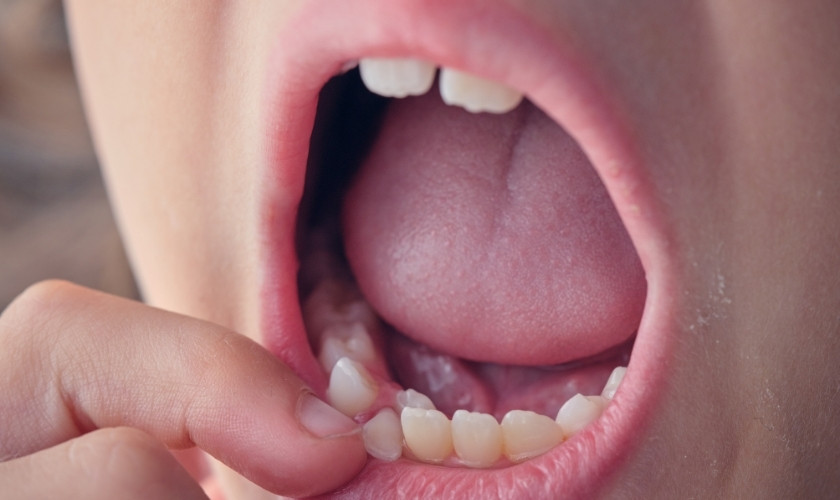
Orthodontic treatment is often associated with teenagers, but did you know that starting treatment early can offer significant benefits for your child? Early orthodontic treatment, also known as interceptive orthodontics, typically begins between the ages of 7 and 10. At this stage, a child’s jaw and teeth are still developing, which provides a unique opportunity to guide growth and prevent more serious dental issues later in life. Let’s explore the key benefits of early orthodontic treatment for children.
1. Correcting Developmental Issues Early
One of the primary advantages of early orthodontic treatment is the ability to correct developmental issues before they become more severe. At a young age, the jaw is still growing, which allows orthodontists to guide its development. This can prevent problems such as crowding, overbites, underbites, and crossbites from worsening over time.
For example, if a child’s jaw is growing unevenly, early intervention can help align the upper and lower jaws correctly. This not only improves the child’s bite but also contributes to better facial symmetry and appearance. By addressing these issues early, you can reduce the need for more invasive treatments, such as jaw surgery, later in life.
2. Easier and Shorter Treatment
Starting orthodontic treatment at a younger age can often result in a shorter and less complex treatment process. Since a child’s bones are still malleable, they respond more quickly to orthodontic appliances like braces or expanders. This means that treatment can be more efficient and may even be completed by the time the child reaches their early teens.
Additionally, early treatment can help reduce the need for tooth extractions. By guiding the growth of the jaw, orthodontists can create enough space for permanent teeth to come in correctly, minimizing the chances of overcrowding. This not only makes the treatment process easier but also less stressful for both the child and the parents.
3. Preventing More Serious Issues
Early orthodontic treatment can also prevent more serious dental and orthodontic issues from developing. For instance, if a child has a habit of thumb-sucking or tongue-thrusting, these behaviors can affect the alignment of the teeth and jaws. Early intervention can help break these habits and prevent long-term damage to the teeth and bite.
Moreover, early treatment can address breathing and speech issues that are sometimes related to jaw and dental problems. For example, a narrow palate can cause breathing difficulties or sleep apnea. By using expanders or other orthodontic devices, orthodontists can widen the palate, improving both airflow and speech development.
4. Improving Oral Health
Orthodontic issues like overcrowded or misaligned teeth can make it difficult for children to maintain good oral hygiene. Crooked teeth are harder to clean, which increases the risk of cavities, gum disease, and other oral health problems. Early orthodontic treatment can straighten the teeth, making them easier to brush and floss.
By improving oral hygiene, early treatment can help your child maintain healthier teeth and gums, reducing the likelihood of needing extensive dental work in the future. This also instills good oral care habits at a young age, setting the foundation for a lifetime of healthy smiles.
5. Boosting Confidence and Self-Esteem
A beautiful smile can significantly boost a child’s confidence and self-esteem. Children who are self-conscious about their teeth may avoid smiling or interacting with others, which can impact their social development. Early orthodontic treatment can correct aesthetic issues, allowing children to feel more comfortable and confident in their appearance.
By addressing these concerns early, you’re giving your child the opportunity to enjoy their childhood without the worry of crooked teeth or other dental problems affecting their self-image.
6. Customized Treatment Plans
Every child’s dental development is unique, and early orthodontic treatment allows for highly personalized care. Orthodontists can assess your child’s specific needs and create a treatment plan tailored to their individual situation. This ensures that your child receives the most effective care possible, leading to better outcomes.
Conclusion
Early orthodontic treatment offers numerous benefits that can positively impact your child’s oral health, confidence, and overall well-being. By addressing dental and jaw issues at a young age, you can help your child avoid more complex and invasive treatments in the future. If your child is between the ages of 7 and 10, consider scheduling a consultation with an orthodontist to determine if early treatment is right for them.