
Will My Baby Develop Pacifier Teeth? What Parents in Bakersfield Need to Know
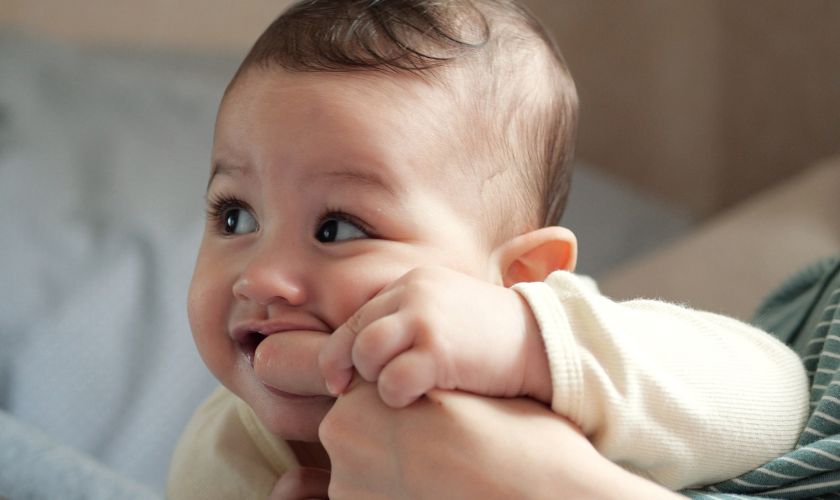


As a parent in Bakersfield, you want the best for your little one’s smile. Pacifiers can be a lifesaver for soothing fussy babies, offering comfort during teething or bedtime. But you’ve probably heard whispers about “pacifier teeth” – those changes in your child’s dental development from prolonged use. At Sturz and Abby, we see this concern all the time from local families. The good news? With guidance from pediatric dentists like ours, you can use pacifiers safely without long-term harm.
In this post, we’ll break down what pacifier teeth really are, the risks involved, when to worry, and practical tips to protect your baby’s growing smile. Serving Bakersfield families, our team at Sturz and Abby (call us at +1 661-588-2525) helps parents navigate these milestones every day.
Understanding Pacifier Teeth: The Basics
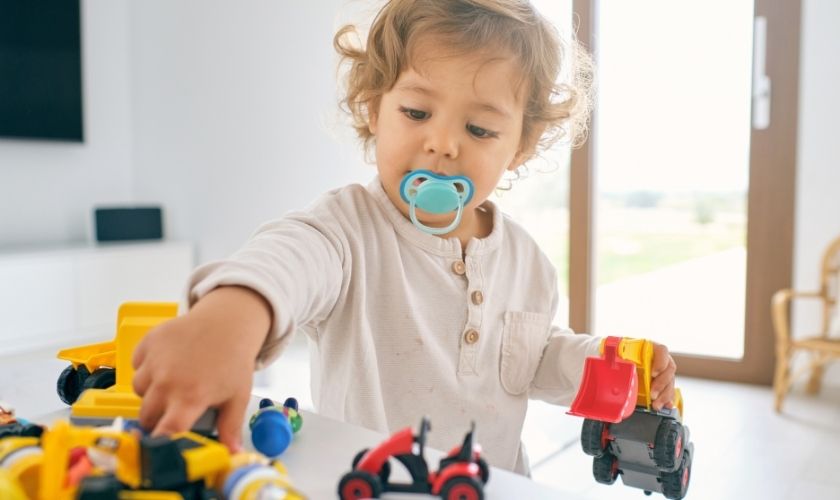
Pacifier teeth, also called “pacifier mouth” or non-nutritive sucking habits’ effects, refer to changes in a child’s teeth and jaw from extended pacifier use. Babies are born with a natural sucking reflex – it’s how they nurse. Pacifiers mimic this, releasing natural chemicals like oxytocin that calm them.
However, problems arise with prolonged use, typically beyond age 2-4. The constant pressure from sucking can reshape developing teeth and jaws. Common signs include:
- Open bite: Front teeth don’t meet when the mouth closes.
- Overjet: Top teeth protrude forward.
- Crossbite: Misaligned upper and lower jaws.
- Tooth tilting: Upper teeth lean outward, lower ones inward.
These aren’t immediate; they develop gradually. Studies from the American Academy of Pediatric Dentistry (AAPD) show risks increase after 2 years of use, especially over 6 hours daily. But short-term use? Generally harmless and even beneficial for sleep and emotional regulation.
When Does the Risk Start? Age Matters
Timing is everything. The critical window is ages 2-4, when primary teeth erupt, and jaws grow rapidly. Before age 2, moderate pacifier use (under 6 hours/day) rarely causes issues – your baby’s mouth is resilient.
By age 3, habits solidify. If your toddler in Bakersfield still relies on a pacifier at naps or night, it could nudge teeth out of alignment. By school age (5+), most effects reverse if stopped early, but habits past 6 may need orthodontic intervention.
Genetics play a role, too – some kids’ mouths adapt better. Thumb-sucking mirrors pacifier risks, so watch for both.
Spotting Early Signs of Pacifier Teeth
Not sure if it’s affecting your baby? Look for:
- Gaps between front teeth.
- Speech delays (lisps from tongue positioning).
- Mouth breathing or snoring.
- Jaw pain or uneven growth.
We offer free consultations for little ones. Spotting issues at age 2-3 prevents bigger fixes later. Call +1 661-588-2525 to schedule.
How to Wean Off Pacifiers Safely
Breaking the habit doesn’t have to be a battle. Here’s a gentle, step-by-step plan:
- Set limits: Restrict to bedtime only after age 1.
- Positive reinforcement: Reward pacifier-free days with stickers.
- Gradual fade: Poke holes in the nipple to reduce satisfaction.
- Distraction: Offer cuddles, books, or new toys during cravings.
- Cold turkey (if needed): Works best around age 2-3; most kids adjust in 3-7 days.
Avoid dipping in sugar – cavities compound problems. If resistance persists, our Bakersfield pediatric dentists can guide you.
Ready to check our glowing reviews from local parents? Visit our clinic and see why families trust Sturz and Abby.
Prevention and Professional Help
Prevent pacifier teeth by capping use at age 2 and ditching it by 4. Choose orthodontic pacifiers (flat nipple design) to minimize pressure. Regular dental checkups – from age 1 – spot issues early.
If changes appear, don’t panic. Most correct naturally post-weaning. Braces or appliances fix stubborn cases, but early action saves time and money.
Book an appointment today at Sturz and Abby in Bakersfield for personalized advice.
Frequently Asked Questions
- How does prolonged pacifier use affect jaw growth?
Constant sucking pressure can narrow the upper jaw and push lower teeth inward, leading to crossbites. This happens most after age 2 during rapid growth. Orthodontic pacifiers minimize risks. - Is pacifier use linked to breastfeeding challenges?
Early pacifier introduction (before 3-4 weeks) may cause nipple confusion, reducing latch effectiveness. Wait until breastfeeding is established. It doesn’t harm milk supply directly. - Can pacifiers contribute to cavities in babies?
Yes, if dipped in sugary liquids like juice or formula. Bacteria thrive on the nipple, eroding enamel. Always use plain water or nothing; clean daily to prevent decay. - What role does pacifier shape play in teeth alignment?
Rounded nipples promote forward tooth tilt; flat, orthodontic shapes align with natural jaw position, reducing open bite risk. Choose BPA-free options for safety and alignment. - Do all children develop pacifier teeth from use?
No, genetics, duration, and intensity matter. Light use under age 2 rarely causes issues. Heavy, extended habits (over 6 hours/day past 3) increase risks significantly. - How can I tell if my toddler needs orthodontic evaluation?
Watch for persistent open bites, protruding teeth, or speech issues after weaning. If unchanged by age 5, evaluation checks for appliances to guide growth. - Are there benefits to pacifiers despite dental risks?
Yes, they soothe colic, aid sleep, and reduce SIDS risk per AAP studies. Benefits outweigh risks with limited, age-appropriate use and timely weaning.