

Understanding Buck Teeth in Kids: Causes and Treatment Options

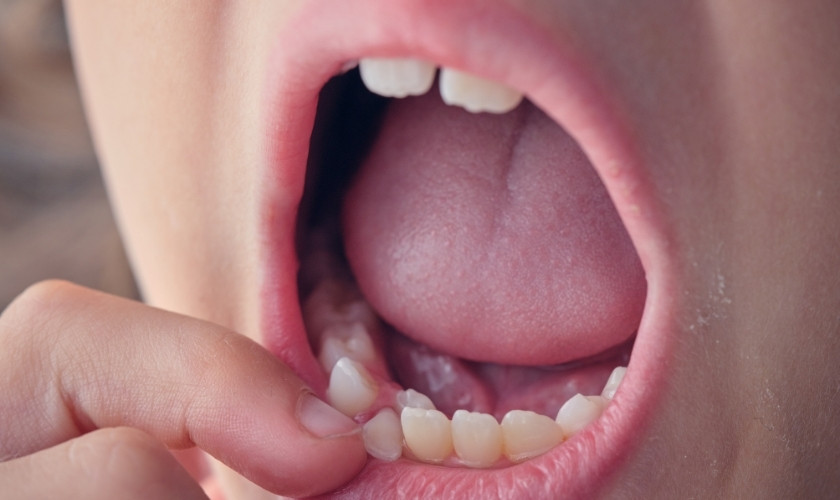


Parents often notice changes in their child’s smile as baby teeth grow and permanent teeth begin to appear. One of the most common concerns is the appearance of buck-toothed front teeth, where the upper teeth extend forward more than usual. This condition is very common in childhood and can usually be corrected with timely dental guidance and proper care.
This guide explains the causes, effects, and ways to fix buck teeth so children can enjoy healthy development and confident smiles.
What Buck Teeth Mean in Children
Buck teeth describe a dental alignment where the upper front teeth project outward beyond the lower teeth. Some children naturally develop a slightly forward bite, while others may show a more noticeable buck-toothed smile that affects chewing, speech, or appearance.
Mild cases often improve as the jaw grows. More pronounced cases may need orthodontic support or habit correction. Early awareness helps families make informed decisions and avoid complications later in life.
Common Causes of Buck Teeth
Several factors contribute to forward-positioned front teeth during childhood.
Genetics and Jaw Development
Inherited jaw size and tooth alignment play a strong role. If parents had prominent front teeth, children may develop a similar pattern as permanent teeth erupt.
Thumb Sucking and Pacifier Use
Long-term sucking habits place pressure on developing teeth and jawbones. Many parents wonder, will a pacifier cause buck teeth. Extended pacifier use beyond toddler years can gradually push upper teeth forward and narrow the palate.
Tongue Thrusting
Some children push the tongue against the front teeth while swallowing or speaking. Continuous pressure may shift tooth position over time.
Early or Late Loss of Baby Teeth
Baby teeth guide permanent teeth into proper alignment. Losing them too soon or too late can disrupt spacing and contribute to protrusion.
Effects on Oral Health and Confidence
Forward-tilting front teeth influence more than appearance.
- Increased risk of chipping or injury during falls or sports
- Difficulty biting certain foods properly
- Speech clarity challenges in some children
- Self-consciousness when smiling in photos or social settings
Visual comparisons of buck teeth before and after orthodontic care often show dramatic improvements not only in alignment but also in confidence and facial balance.
When Treatment Becomes Necessary
Dentists evaluate several factors before recommending correction.
- Degree of tooth protrusion
- Jaw growth pattern
- Age and stage of permanent tooth eruption
- Presence of habits like thumb sucking
Early evaluation allows gentle, gradual correction instead of complex treatment during teenage years. Families seeking pediatric dental care in Bakersfield often benefit from routine growth monitoring and preventive guidance.
Treatment Options for Buck Teeth in Kids
Modern dentistry offers safe and comfortable ways to correct alignment.
Habit-Breaking Guidance
Stopping thumb sucking or prolonged pacifier use is often the first step. Dentists may suggest reminder techniques or protective appliances that reduce pressure on teeth.
Orthodontic Appliances
Simple removable devices can guide jaw growth in younger children. These appliances create space and reduce forward tooth movement before braces are needed.
Braces or Clear Aligners
Older children with permanent teeth may need braces or aligners to gently move teeth into proper alignment. Treatment duration depends on severity and growth stage.
Growth Modification
Some children benefit from appliances that influence jaw positioning during growth years. Early timing makes treatment more effective and less invasive.
Professional evaluation at a trusted kids dental treatment office ensures the most suitable plan for each child’s development.
Daily Care Tips for Parents
Healthy habits support successful treatment and natural development.
- Encourage children to stop thumb sucking by age three to four
- Limit prolonged pacifier use
- Maintain consistent brushing and flossing routines
- Provide mouthguards for sports protection
- Schedule routine dental visits for monitoring
Parents can support confidence by focusing on health and comfort rather than appearance alone. Positive reinforcement helps children adapt to treatment more easily.
Supporting Emotional Confidence
Children may compare their smiles with friends or siblings. Gentle reassurance and early care help prevent embarrassment. Orthodontic correction often produces visible improvement within months, helping children feel proud of their smiles.
Encouraging open communication and celebrating progress makes the journey smoother for both parents and kids.
When to See a Pediatric Dentist
Dental professionals typically recommend an orthodontic screening around age seven. At this stage, jaw growth and permanent tooth eruption patterns become clearer. Early guidance reduces the need for complex correction later.
Families ready to book an appointment can contact Sturz & Abby at (661)588-2525 for supportive evaluation and personalized care planning.
Frequently Asked Questions
What causes buck teeth in toddlers?
Genetics, thumb sucking, or prolonged pacifier use often lead to buck teeth. Mouth breathing from allergies contributes too.
At what age should buck teeth be treated?
Treatment typically starts between 7-10 years, during active jaw growth, for optimal results.
Do buck teeth go away on their own?
Mild cases may improve with habit cessation, but most require orthodontic intervention.
Can Invisalign fix buck teeth in kids?
Yes, for mild to moderate cases in children who can comply with wear schedules.
How long does it take to fix buck teeth with braces?
Braces usually take 12-24 months, depending on severity and compliance.
Is thumb sucking the only cause of buck teeth?
No, genetics and mouth breathing also play key roles alongside habits like thumb sucking.
Does fixing buck teeth hurt?
Initial discomfort from braces or aligners is common but mild, managed with over-the-counter pain relief.